

Buy Premium Essential Oils Online: A Buyer's Guide
Table of Contents
- What Makes Premium Essential Oils Different
- Essential Oil Purity Testing Standards You Should Know
- Benefits of Aromatherapy for Daily Stress Relief
- How to Use Essential Oils for Home Fragrance
- Key Certifications and Quality Markers
- Premium Essential Oils to Buy Online
- Storage and Shelf Life: Protecting Your Investment
- Conclusion
Last Updated: August 24, 2026
What Makes Premium Essential Oils Different
Premium essential oils differ from mass-market alternatives through sourcing, extraction methods, and purity standards. They're cold-pressed or steam-distilled from high-quality plant material with documented origins, maintaining volatile organic compounds that directly affect aromatherapy effectiveness and longevity. Lower-grade oils frequently contain fillers, synthetic fragrances, or degraded plant matter, while genuine lavender oil smells distinctly sharper and more complex than diluted versions.

Castellanos Housing curates premium essential oils designed for intentional home fragrance and wellness support. Their collection includes the 10ml Pure Plant Essential Oil available in mint, lavender, tea tree, rose, vanilla, sandalwood, and jasmine, formulated without additives or fillers.

Premium oils come in amber or dark glass bottles that protect against light degradation and oxidation, a detail that matters because UV exposure breaks down the delicate chemical structure that makes essential oils effective.
Essential Oil Purity Testing Standards You Should Know
Understanding purity testing protects you from counterfeit or adulterated products. GC/MS testing, gas chromatography paired with mass spectrometry, identifies exact chemical compounds and their percentages, providing the most reliable verification method.
How to Read a GC/MS Report
A GC/MS Certificate of Analysis breaks down an oil's chemical composition by percentage. For lavender oil, you should see linalool (25-45%), linalyl acetate (20-45%), and smaller amounts of geraniol, eucalyptol, and camphor (peer-reviewed research). When reviewing a report, look for three red flags: missing compounds or abnormal ratios indicating dilution; unexplained peaks suggesting synthetic additives or contamination; and vague batch information showing the supplier isn't testing individual production runs.
Don't hesitate to request the full GC/MS report before purchasing. Reputable suppliers will provide this documentation readily. If a seller refuses or offers only marketing language, shop elsewhere.
Certified Organic Standards
USDA organic certification ensures oils were grown without synthetic pesticides or fertilizers and processed according to strict guidelines. This matters because pesticide residues concentrate during extraction. Look for the USDA organic seal on product labels or supplier documentation, a concrete, verifiable standard unlike unregulated terms like "therapeutic grade."
Third-Party Testing and Batch Verification
Batch-specific testing represents the most rigorous verification approach. Reputable suppliers test each production batch independently through external laboratories and provide batch-specific documentation. A supplier might test one batch of lavender oil and publish those results, but then sell oil from five different batches under the same product name. Only batch-specific documentation ensures consistency across every bottle you purchase.
When shopping online, ask for the batch number of the specific oil you're buying, then request the corresponding test report. This single practice eliminates most adulteration and quality inconsistencies.
Terms to Avoid
Avoid oils marketed as "therapeutic grade," "clinical grade," or "pharmaceutical grade." These terms lack legal definition and are used as marketing language rather than verified standards. The Federal Trade Commission does not regulate these claims. Similarly, "100% pure" is a weak claim without supporting data. A GC/MS report showing exact composition is infinitely more trustworthy than a label claiming purity.
Benefits of Aromatherapy for Daily Stress Relief
Aromatherapy works through inhalation and absorption. When you inhale essential oil vapors through a diffuser, aromatic molecules travel to your olfactory system and directly influence your limbic system, the brain region governing emotion and stress response. Within seconds of breathing in diffused lavender or chamomile, your nervous system begins responding, with many people reporting noticeable shifts in mental clarity and relaxation within 5-10 minutes (peer-reviewed research).
Topical application (always diluted with carrier oils) offers longer-lasting effects as oils absorb through skin and enter the bloodstream. Aromatherapy is most effective as part of a broader wellness routine, not as a standalone treatment. Pairing diffusion with intentional breathing, a calm environment, or stillness amplifies the effect.
For those new to aromatherapy, starting with a quality diffuser and a single oil you're drawn to is practical. Castellanos Housing offers the Mini Air Humidifier Ultrasonic USB ($35.00), which combines diffusion with gentle humidity, particularly useful in dry indoor environments.
How to Use Essential Oils for Home Fragrance
Essential oils transform a space through consistent, subtle diffusion rather than overwhelming scent. The goal is creating an olfactory environment that supports your mood without becoming cloying.
Diffuser Methods
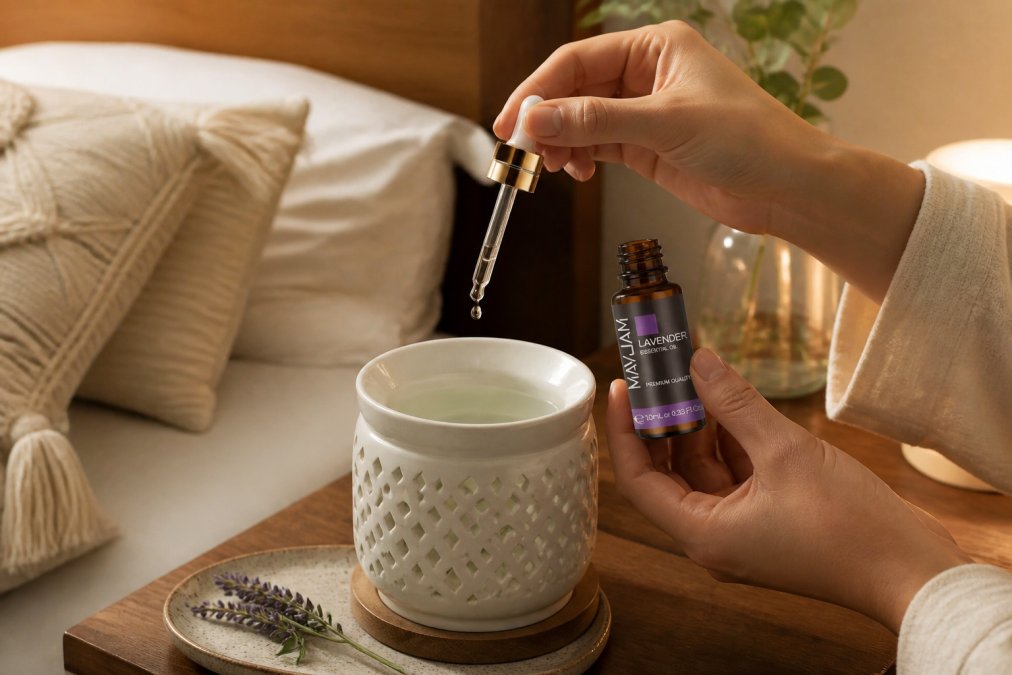
Ultrasonic diffusers are the most popular choice for home use because they operate silently, require minimal maintenance, and distribute oils evenly without heat that could degrade delicate oils. They're ideal for bedrooms, living rooms, and offices and provide humidifying benefits.
Reed diffusers offer a passive alternative, no electricity, no water, just oil slowly traveling up bamboo or rattan sticks. They're excellent for smaller spaces and work continuously without action required, though they diffuse scent more slowly.
Oil burners work quickly but require active monitoring. Heat can alter chemical composition, potentially reducing therapeutic properties. Car diffusers like Castellanos Housing's Car Diffuser Hanging Cord ($10.00) are designed for mobile spaces, providing 4-6 weeks of continuous scent.

Topical Application and Dilution Safety
Topical application requires dilution, never apply undiluted essential oils directly to skin. The standard dilution ratio is 2-3 drops of essential oil per teaspoon of carrier oil (coconut, jojoba, or sweet almond oil work well) (naha.org).
Certain oils carry photosensitivity concerns. Citrus oils like lemon and bergamot can cause skin reactions when exposed to UV light. Some oils are skin sensitizers and require extra caution. Cinnamon, clove, oregano, and thyme oils can cause irritation or allergic reactions even when diluted. Patch-test any new oil on a small area of skin before broader application.
Essential Oil Interactions with Medications
Essential oils contain potent plant compounds that can interact with common medications.
Blood thinners and anticoagulants (warfarin, apixaban, dabigatran): Oils high in coumarins, including cinnamon, cassia, and some lavender, may potentiate blood-thinning effects. Avoid topical application and consult your healthcare provider before diffusing regularly.
Blood pressure medications (ACE inhibitors, beta-blockers, calcium channel blockers): Eucalyptus and peppermint oils can lower blood pressure. Combined with antihypertensive medication, this may cause excessive blood pressure reduction, dizziness, or fatigue.
Diabetes medications (metformin, insulin, sulfonylureas): Some evidence suggests cinnamon and fenugreek oils may lower blood glucose. Combined with diabetes medication, this could cause hypoglycemia.
Medications metabolized by the liver (statins, antidepressants, immunosuppressants): Grapefruit oil inhibits CYP3A4, an enzyme critical for metabolizing many medications. If you take any medication with a grapefruit warning, avoid grapefruit essential oil entirely.
Seizure medications (phenytoin, carbamazepine): Eucalyptus and rosemary oils may lower seizure thresholds. Avoid these oils or use only under medical supervision.
Hormone-sensitive conditions (estrogen-dependent breast cancer, endometriosis, uterine fibroids): Fennel, anise, and clary sage oils contain phytoestrogens and may stimulate estrogen-sensitive tissues.
Pregnancy and nursing: Many essential oils are contraindicated during pregnancy. Oils to avoid include pennyroyal, tansy, mugwort, and high-dose rosemary. Consult a healthcare provider before using essential oils while breastfeeding.
If you take any prescription medication or have a chronic health condition, discuss essential oil use with your doctor or pharmacist before purchasing.
Inhalation Safety and Respiratory Considerations
Inhalation through diffusion is generally safe, but individuals with asthma or reactive airway disease may experience bronchospasm. Start with short diffusion periods (5-10 minutes) and monitor for coughing, wheezing, or shortness of breath.
Infants and young children have developing respiratory systems and should not be exposed to concentrated essential oil diffusion. Use diffusers in separate rooms with doors closed, or skip essential oils until children are older.
Avoid ingesting essential oils. Internal consumption isn't necessary for therapeutic benefit and carries risks including gastrointestinal irritation, liver toxicity, and medication interactions.
Key Certifications and Quality Markers
USDA Organic certification means plant material was grown without synthetic pesticides or fertilizers. GC/MS testing documentation is the gold standard for purity verification, showing exact chemical composition. Third-party testing from independent laboratories adds another verification layer. Batch-specific information ensures you're getting oils that meet standards consistently. Castellanos Housing emphasizes curated selection with attention to quality details and responsible sourcing practices.
Premium Essential Oils to Buy Online
Building a practical home collection means selecting oils that offer versatility. Lavender serves multiple purposes: diffusion for relaxation, topical application for minor skin support, and blending. Tea tree oil excels in home cleaning and topical use (always diluted). Peppermint provides mental clarity and respiratory support when diffused.
The 20 type Gourmet Essential Oils set ($14.64) offers variety for exploring different scents, including vanilla, sandalwood, and jasmine. The 10ml Pure Plant Essential Oil collection ($16.22) provides single-note options in practical 10ml bottles.
Fragrance oils differ from essential oils in that they're synthetically created. They're useful for candle-making and soap-crafting but lack therapeutic properties. For aromatherapy, stick with true essential oils.
| Oil Type | Best Use | Dilution Required | Shelf Life |
|---|---|---|---|
| Lavender Essential Oil | Relaxation, topical | Yes (for skin) | 2-3 years |
| Tea Tree Essential Oil | Cleaning, topical | Yes (for skin) | 3-4 years |
| Peppermint Essential Oil | Mental clarity, diffusion | Yes (for skin) | 3-4 years |
| Fragrance Oil | Candles, soap-making | No (for diffusion) | 2-3 years |
Storage and Shelf Life: Protecting Your Investment
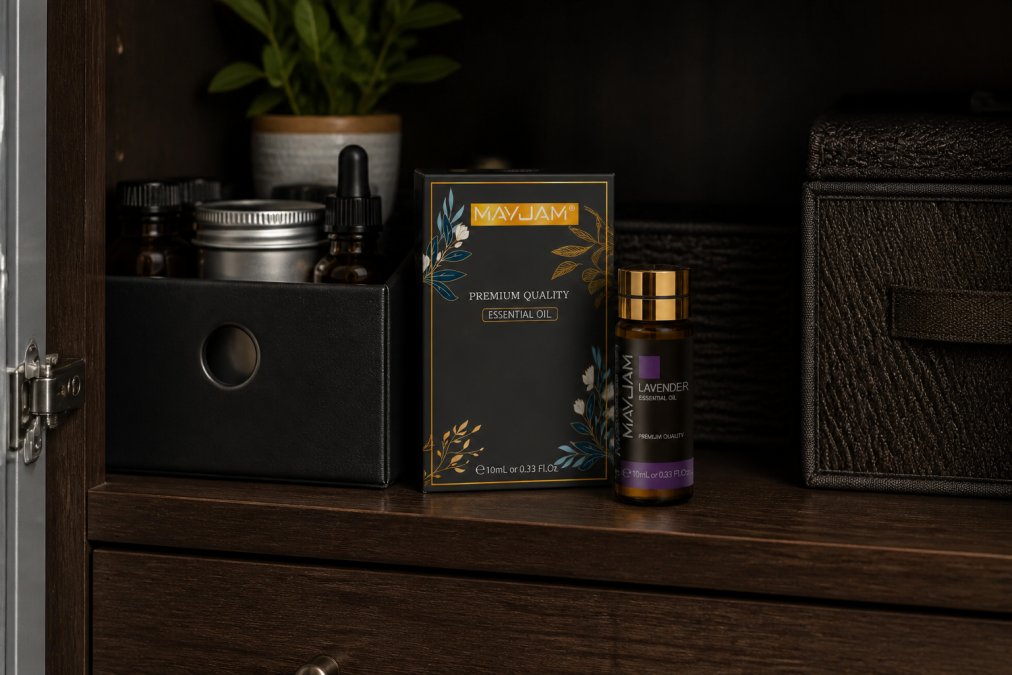
Essential oils degrade through oxidation, light exposure, and heat. Store oils in dark amber or cobalt glass bottles that block UV light. Keep bottles sealed tightly in a cool, dark place like a cabinet or drawer. Room temperature is ideal; avoid warm kitchens or sunny windowsills.
Temperature stability matters significantly. Most premium essential oils have a shelf life of 2-4 years when stored properly. Citrus oils oxidize more quickly (2-3 years), while heavier oils like sandalwood last longer (4-5 years). Write the purchase date on the label to track freshness. If an oil smells noticeably different, flat, vinegary, or off, it's oxidized and should be replaced.
Refrigeration can extend shelf life for oils you use infrequently, though it's not necessary for regular use. Ensure bottles are sealed tightly to prevent condensation.
When you buy premium essential oils online, you're making a choice to support intentional living and create spaces that genuinely support your well-being. The investment in quality, verified through purity testing, proper storage, and informed use, pays dividends in effectiveness and longevity. Castellanos Housing's curated selection of oils and diffusers reflects this philosophy, offering products designed with attention to detail that transforms everyday moments into something truly felt. Continue shopping to discover which oils and diffusers align with your vision for your home.
Frequently Asked Questions
What should I look for when buying premium essential oils online?
Look for oils labeled as pure and natural with no synthetic fragrances or fillers. Check for GC/MS testing verification, which confirms chemical composition. Reputable sellers provide botanical names, extraction methods (cold-pressed or steam distillation), and batch testing information. Amber glass bottles protect oils from light degradation. Certified organic certification adds credibility, though not all quality oils carry this label. Avoid suspiciously low prices, as premium oils require careful extraction and sourcing.
How can I tell if an essential oil is 100% pure?
Genuine premium essential oils should have a GC/MS (Gas Chromatography/Mass Spectrometry) test result available from the supplier. This analysis shows the oil's chemical composition and confirms purity. Pure oils typically cost more than budget alternatives because extraction is labor-intensive. Check the label for the botanical name, not just common names. Reputable sellers provide transparency about sourcing and testing. Avoid oils with added carrier oils or synthetic ingredients listed on the label.
What is the difference between therapeutic grade and premium essential oils?
Therapeutic grade is a marketing term without strict regulation, but it generally indicates oils suitable for aromatherapy and wellness applications. Premium essential oils meet higher purity standards, undergo rigorous batch testing, and often carry certifications like certified organic. Both should be unadulterated and free from synthetic fillers. The key difference is consistency: premium oils from established sellers maintain stricter quality control across batches. Always verify testing and sourcing rather than relying on grade labels alone.
How should I store premium essential oils after purchase to maintain their quality?
Store essential oils in amber or dark glass bottles away from direct sunlight and heat, as light and temperature cause oxidation and degradation. Keep bottles tightly sealed in a cool, dry place, ideally between 50-70°F. Avoid storing near windows or warm appliances. Properly stored oils maintain potency for 3 years or longer, depending on the oil type. Citrus oils oxidize faster than others, so use them within 1-2 years. Label bottles with purchase dates to track shelf life and rotate stock accordingly.
This article was written using GrandRanker