

Best Essential Oils for Anxiety Relief 2026
Table of Contents
- Essential Oils Commonly Used for Anxiety Relief
- Best Essential Oils for Anxiety: A Structured Comparison
- How Essential Oils May Affect Mood and Relaxation
- How to Use Essential Oils for Anxiety
- Are Essential Oils Safe to Diffuse: Safety Guidance and Precautions
- Evidence Quality and Limits of Anxiety Relief Research
- Stress Relief Versus Anxiety Relief: Understanding the Difference
- Creating Your Anxiety-Relief Aromatherapy Routine
- Frequently Asked Questions
Last Updated: October 10, 2026
Essential Oils Commonly Used for Anxiety Relief
Essential oils have become a popular natural option, with many people exploring essential oils anxiety relief through aromatherapy. At Castellanos Housing, we've curated a selection of essential oils and diffusers designed to support your wellness journey by creating a peaceful home environment.
Essential oils are concentrated plant extracts that have been used in aromatherapy for centuries. Certain varieties are recognized for their potential to promote relaxation and reduce anxiety.
Lavender Oil and Its Calming Effects
Lavender is the most recognized essential oil for anxiety relief. This floral oil works well in diffusers, can be diluted for topical use, and blends easily with other oils to create custom aromatherapy blends.

Lavender is particularly useful in the evening or before bed, when anxiety symptoms often feel most intense.
Bergamot Oil for Mood Support
Bergamot is a citrus oil with a bright, uplifting quality that energizes while promoting emotional balance, making it useful during the day when you need to feel calmer but remain alert.
Bergamot's mood-supporting properties have made it a staple in aromatherapy routines. However, one important caution: avoid sun exposure immediately after topical application of bergamot, as citrus oils can increase photosensitivity.
Roman Chamomile for Relaxation
Roman chamomile delivers a soft, apple-like scent and works well in diffusers for those seeking gentle relaxation.
Other Floral Oils: Jasmine, Rose, Neroli, and Ylang-Ylang
Other floral oils include jasmine (rich, warm, deeply soothing), rose (classic, associated with self-care), neroli (fresh, slightly sweet), and ylang-ylang (exotic, best for evening use).
Best Essential Oils for Anxiety: A Structured Comparison
| Oil | Scent Profile | Best Time to Use | Key Characteristic |
|---|---|---|---|
| Lavender | Floral, herbaceous | Evening or anytime | Most versatile, gentle |
| Bergamot | Citrus, bright | Daytime | Uplifting while calming |
| Roman Chamomile | Apple-like, soft | Anytime, especially evening | Mild, suitable for extended use |
| Jasmine | Rich, warm floral | Evening | Deeply soothing |
| Rose | Classic floral | Evening | Associated with self-care |
| Neroli | Fresh, slightly sweet | Daytime or evening | Balanced and uplifting |
| Ylang-Ylang | Exotic, heavy floral | Evening | Strongest scent, use sparingly |
How Essential Oils May Affect Mood and Relaxation
When you inhale an essential oil's aroma, scent molecules travel through the olfactory system, which connects directly to brain areas involved in emotion and memory, explaining why certain scents feel immediately soothing or uplifting.
The ritual of using essential oils, pausing to breathe deeply and creating intentional self-care time, contributes to their calming effect.
It's important to note that research on essential oils remains limited in scope. While many people report positive experiences with anxiety relief through aromatherapy, the scientific evidence base is smaller than most wellness claims suggest. This doesn't mean the oils are ineffective, it means that individual responses vary, and what works powerfully for one person may feel neutral to another.
How to Use Essential Oils for Anxiety
Using essential oils effectively requires understanding the different methods available and how to apply them safely. The most common approaches, inhalation and diffusion, are also the safest entry points for most people beginning an aromatherapy practice.
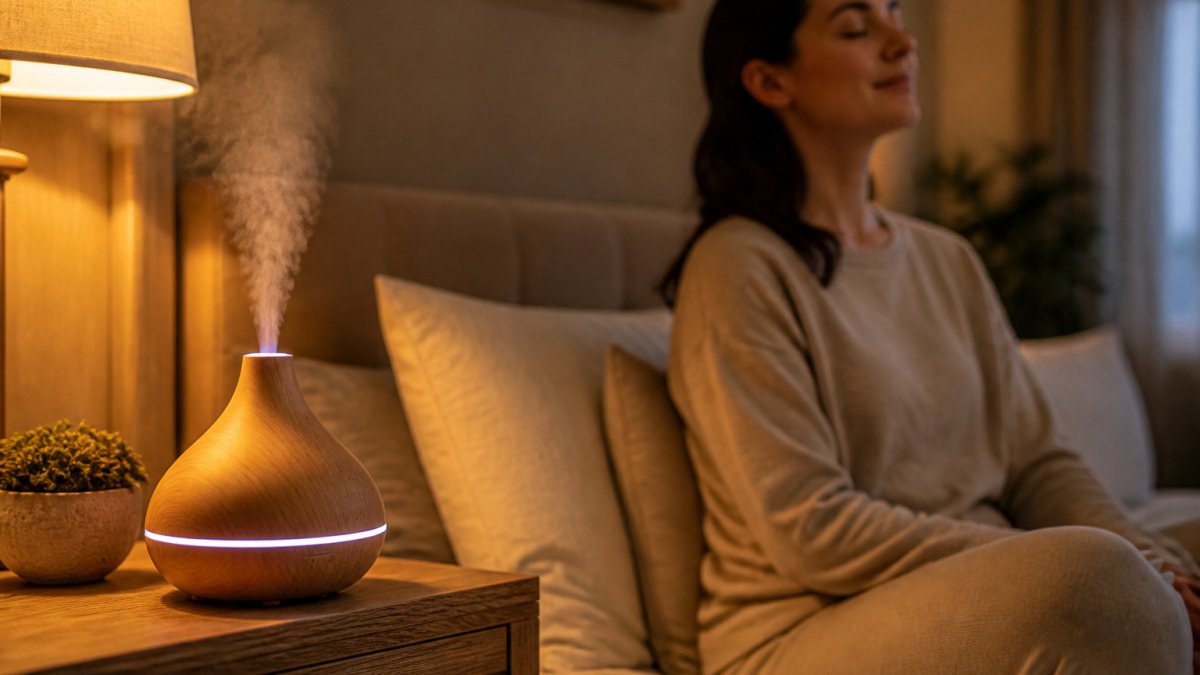
Inhalation and Diffusion Methods
Diffusion is the primary way most people use essential oils for anxiety relief. An ultrasonic diffuser, the type that uses water and vibration to disperse the oil as a fine mist, is the most popular choice. These devices break the oil into tiny particles that spread throughout a room, allowing you to breathe in the aroma passively over time.
When choosing a diffuser, look for one with an auto-shutdown feature to prevent damage if the water runs out. Capacity matters too: a 160ml to 200ml diffuser works well for bedrooms and small offices, while larger spaces benefit from higher-capacity models. At Castellanos Housing, we offer several diffuser options designed for different room sizes and aesthetic preferences, including the 160ML Ultrasonic Air Humidifier at $33.00 for portability, and the Air Humidifier Crystal Salt Stone Desktop Aromatherapy Diffuser at $55.02 for a more refined aesthetic.

Another simple inhalation method involves adding a few drops of oil to a bowl of hot water and breathing the steam. This direct approach works quickly but requires caution to avoid burns.
Safe Topical Application
If you want to apply essential oils directly to your skin, dilution is non-negotiable. Pure essential oils are too concentrated and can cause irritation, redness, or sensitivity reactions. Always mix essential oils with a carrier oil, coconut, jojoba, or almond oil are common choices, before applying to skin.
A typical dilution ratio is 2-3 drops of essential oil per teaspoon of carrier oil. Apply this blend to pulse points like the inside of your wrists or behind your ears, where the skin is thinner and absorption is better.
Are Essential Oils Safe to Diffuse: Safety Guidance and Precautions
Safety should guide every step of your aromatherapy practice. While essential oils are natural, they're also potent substances that require respectful handling.
Dilution and Skin Sensitivity
If you're using oils topically, patch testing is wise. Apply a small amount of diluted oil to a small patch of skin and wait 24 hours to check for any reaction. Some people have heightened sensitivity to certain oils, and testing prevents a larger problem later.
Certain oils carry higher risk of irritation. Citrus oils like bergamot and lemon are known to increase sun sensitivity, so avoid using them topically before sun exposure. Some people find that oils like ylang-ylang or jasmine are too strong for direct skin contact and work better through diffusion alone.
10ml Pure Plant Essential Oil For Humidifier Diffusers Mint Lavender Tea Tree →
Ventilation and Consistent Use
Avoid prolonged exposure to diffused oils without adequate ventilation. Running a diffuser continuously in a closed room can lead to scent fatigue, where you stop noticing the aroma, and may cause mild headaches or irritation in sensitive individuals. A good practice is to diffuse for 30 minutes to an hour, then turn off the diffuser and allow fresh air to circulate.
Store essential oils and carrier oils properly to prevent degradation. Keep them in amber or dark glass bottles away from direct sunlight and heat. A cool closet or cabinet works well. Properly stored oils maintain their quality for years, while oils exposed to light and heat degrade faster and lose their potency.
Evidence Quality and Limits of Anxiety Relief Research
The research landscape for essential oils and anxiety remains smaller than popular wellness content suggests. While many people report genuine benefits from aromatherapy, the scientific evidence base has meaningful limitations worth understanding.
Most studies on essential oils involve small sample sizes and lack the rigorous controls that would satisfy strict research standards. Many existing studies measure subjective outcomes, how people report feeling, rather than objective physiological markers.
The strongest evidence exists for lavender oil's potential to support relaxation, though even these studies show variable results depending on concentration, delivery method, and individual factors. For other oils, the research base is thinner, and claims about anxiety relief often rest more on traditional use and anecdotal reports than on rigorous clinical data.
When evaluating any essential oil for anxiety, approach it as one tool among many rather than a standalone solution. Effective anxiety management typically involves multiple approaches: consistent sleep, movement, social connection, and potentially professional support if anxiety is significantly impacting your life.
Stress Relief Versus Anxiety Relief: Understanding the Difference
These terms are often used interchangeably, but they describe different experiences. Stress relief involves reducing the physiological and emotional response to external pressures or challenges. Anxiety relief, by contrast, addresses the internal state of worry, tension, or dread that may not have a specific external trigger.
Essential oils may help with both, but the mechanism differs slightly. For stress, when you're responding to a real deadline or situation, the calming ritual of diffusing oil and taking intentional breaths creates a pause that helps reset your nervous system. For anxiety, when worry feels more free-floating or persistent, the consistent use of oils over time may help establish a baseline of calm that makes anxious thoughts less intrusive.
Understanding which you're experiencing helps you use essential oils more effectively. If you're dealing with acute stress from a specific event, short-term diffusion of an uplifting oil like bergamot might serve you well. If you're managing ongoing anxiety, establishing a consistent evening routine with a gentle oil like lavender or chamomile may provide more benefit.
Creating Your Anxiety-Relief Aromatherapy Routine
Building a sustainable practice starts with choosing oils and tools that fit your lifestyle. Begin by selecting one or two oils that appeal to you, don't feel pressured to own a large collection.
Pair your chosen oil with a quality diffuser that matches your space and aesthetic. If you spend time in multiple rooms, a portable option like the New USB Portable Mini Air Humidifier at $36.00 allows you to bring your practice wherever you go.

Establish a specific time for your aromatherapy ritual, perhaps during your morning coffee, in the evening before bed, or during a midday work break. Consistency matters more than duration.
Consider combining essential oils anxiety relief with other calming practices. Diffusing lavender while journaling, practicing gentle stretching, or simply sitting quietly amplifies the calming effect. The ritual itself, the intentional pause, the sensory experience, contributes significantly to anxiety relief.
For those seeking a more refined aesthetic, the Modern Handmade Print Colorful Rose Mini USB Aroma Diffuser at $42.00 combines functionality with thoughtful design, turning your diffuser into a decorative element that supports your home's intentional atmosphere.
If you're ready to begin, start with our 10ml Pure Plant Essential Oil collection at $16.22, which includes multiple options so you can experiment with different scents.
Creating a calming home environment that supports your emotional well-being is one of the most meaningful investments you can make.
Frequently Asked Questions
Can essential oils calm anxiety?
Essential oils like lavender, bergamot, and Roman chamomile have been traditionally used to support relaxation and emotional well-being. While research suggests aromatherapy may help reduce stress-related symptoms, essential oils work best as part of a complementary approach alongside other stress-management techniques. They are not a substitute for professional anxiety treatment, but many people find them a useful tool for creating a calming home environment.
Which essential oil is best for anxiety relief?
Lavender is the most widely recognized oil for anxiety relief, with multiple studies exploring its calming effects. Bergamot and Roman chamomile are also highly regarded for mood support and relaxation. The best oil depends on your personal preference and response. Start with a small amount in a diffuser and observe how your mind and body respond over a few days. Our 10ml Pure Plant Essential Oil set includes lavender, rose, and other calming varieties to help you find what works for you.
How should you use essential oils for anxiety?
Inhalation through diffusion is the safest and most common method. Use an ultrasonic diffuser like our Portable Ultrasonic Oil Diffuser and Air Humidifier to disperse oils into the air. Add 1-2 drops of essential oil to water in the diffuser and run it for 20-30 minutes. Never apply undiluted oils directly to skin; always dilute with a carrier oil first. Avoid prolonged exposure without ventilation, and keep oils away from children and pets.
Are essential oils safe to diffuse?
Yes, when used properly. Diffusing essential oils through an ultrasonic humidifier is generally safe for most people. However, always ensure adequate ventilation, never use oils internally, and dilute any oils meant for topical use. Some people may experience sensitivity to certain scents. Start with short diffusion sessions (20-30 minutes) and monitor your response. Store oils in amber bottles away from light, and never apply citrus oils before UV exposure. Pregnant women, children, and people with respiratory conditions should consult a healthcare provider before use.
