

How to Choose Quality Essential Oils for Home
Table of Contents
- Why Quality Matters When Choosing Essential Oils
- How to Read Essential Oil Labels and Verify Authenticity
- Identifying Adulteration and Testing for Purity
- Essential Oil Safety Guidelines for Home Use
- Understanding Certifications and Country of Origin
- Storage, Shelf Life, and Preventing Oxidation
- Benefits of Aromatherapy for Daily Stress
- Essential Oils vs. Fragrance Oils: What's the Difference
- How to Choose Quality Essential Oils for Home: Your Action Plan
- Frequently Asked Questions
Last Updated: October 1, 2026
Why Quality Matters When Choosing Essential Oils
Choosing quality essential oils is the foundation of safe, effective aromatherapy. Low-quality oils often contain synthetic additives, fillers, or adulterants that dilute therapeutic properties and create health risks. Genuine, quality essential oils deliver the purity and potency needed for real aromatherapy benefits.

A pleasant smell doesn't guarantee authenticity. Many commercial oils are blended with carrier oils, synthetic fragrances, or other substances that reduce effectiveness. Learning to identify authentic, quality essential oils protects your health and investment.
This guide walks you through practical steps to evaluate essential oils before buying, so you can confidently choose products that deliver real value.
How to Read Essential Oil Labels and Verify Authenticity
Botanical Name and Plant Species
Every legitimate essential oil should display the Latin botanical name on the label, telling you exactly which plant species the oil comes from and eliminating confusion between similar oils.

For example, the label should state Lavandula angustifolia or Lavandula x intermedia (English lavender vs. lavandin), as different species have different chemical profiles and therapeutic properties.
If a label says only "lavender essential oil" with no Latin name, that's a red flag. Reputable producers always include the botanical name as a mark of quality and scientific accuracy.
Extraction Method and Chemotype
The extraction method directly affects oil composition and quality. Common methods include cold-pressing (mechanical, for citrus), steam distillation (heat and steam), CO2 extraction (pressurized carbon dioxide), and solvent extraction (chemical solvents). The label should state which method was used. Steam distillation and cold-pressing are the gold standard; CO2 extraction produces denser extracts but costs more.
Chemotype refers to chemical composition variations in oils from the same plant species grown in different regions. A quality label specifies the chemotype, showing the producer understands the oil's specific profile.
Batch Number and GC/MS Reports
A batch number on the label proves traceability and lets you track where and when the oil was produced. GC/MS (Gas Chromatography-Mass Spectrometry) reports are laboratory tests that analyze chemical constituents, verify purity, and identify adulterants. Ask for the GC/MS report before buying; if a seller can't provide one, that's a major warning sign.
Identifying Adulteration and Testing for Purity
Sensory Evaluation: Smell and Texture Assessment
Pure essential oils have distinct aromas matching their plant source and complex, layered scents. Synthetic fragrances smell flat or artificial. Pure oils are thin, absorb quickly without greasy residue, and feel cool when applied. Sticky oils or heavy films indicate adulteration with carrier oil or synthetics.
Price as a Quality Indicator
Genuine essential oils require significant raw plant material, roughly 60 pounds of lavender flowers produce one pound of oil. Extremely cheap oils are usually adulterated or low-quality; premium pricing doesn't guarantee quality either. Look for reasonable pricing reflecting production costs. Lavender and lemon are less expensive; rose, sandalwood, and jasmine cost more due to rarity or processing demands.
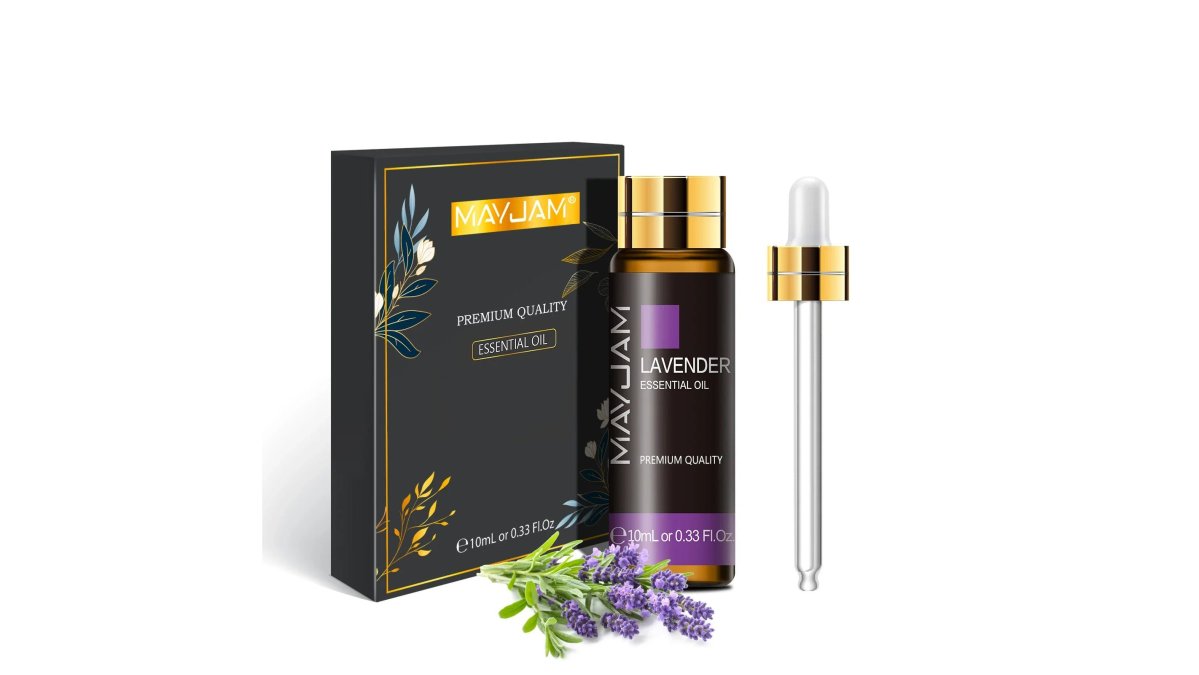
Castellanos Housing offers quality essential oils like our 10ml Pure Plant Essential Oil collection at transparent pricing that reflects genuine production standards. Each bottle includes a dropper and gift packaging, with a three-year shelf life when stored properly.
Essential Oil Safety Guidelines for Home Use
Never apply essential oils directly to skin. Always dilute with carrier oil (coconut, jojoba, or almond). Use 2-3 drops per teaspoon for adults; 1 drop per teaspoon for sensitive skin or children.
Do not ingest essential oils unless under professional guidance. Many oils are toxic when swallowed, and internal use carries serious risks. Aromatherapy diffusion and topical application are the safest methods for home use.
Store essential oils in dark amber glass bottles away from direct sunlight and heat. Light and temperature degrade oils and cause oxidation, reducing their shelf life and therapeutic properties. Keep oils in a cool, dark cabinet, never on windowsills or near heat sources.
10ml Pure Plant Essential Oil For Humidifier Diffusers Mint Lavender Tea Tree →
Avoid contact with eyes and mucous membranes. If oil gets in your eyes, flush immediately with water. For children and pets, use oils cautiously and in well-ventilated spaces. Some oils, like citrus varieties, are photosensitive, avoid sun exposure for 12-24 hours after topical application.
Understanding Certifications and Country of Origin
Organic and Wild-Crafted Certifications
Organic certification means the plant was grown without synthetic pesticides, fertilizers, or GMO practices. USDA Organic certification is the most recognized standard in the United States. Oils bearing this label have been independently verified to meet strict organic standards.
Wild-crafted oils come from plants harvested in their natural habitat rather than cultivated farms. These oils often have richer, more complex profiles because the plants develop more diverse chemical constituents in natural conditions. However, wild-crafted oils carry sustainability concerns if harvesting isn't regulated.
Look for third-party certifications from recognized bodies. Certifications from organizations like ECOCERT or USDA Organic add credibility. Oils without certifications aren't necessarily bad, but certifications provide independent verification of quality claims.
Why Country of Origin Matters
The geographic region where a plant grows affects its chemical composition and therapeutic properties. Lavender from Provence, France differs chemically from lavender grown in Bulgaria or the United States. The soil, climate, and altitude all influence the oil's constituents.
Research the typical origins of oils you're buying. Lavender, for example, is traditionally grown in France, Bulgaria, and Spain. Rose oil comes primarily from Bulgaria and Turkey.
Storage, Shelf Life, and Preventing Oxidation
Essential oils degrade over time through oxidation, a chemical process where the oil's constituents break down when exposed to oxygen, light, or heat. Oxidized oils lose potency and may develop off-flavors or unpleasant odors.
Benefits of Aromatherapy for Daily Stress
Aromatherapy works best as part of a broader wellness routine that includes adequate sleep, movement, and mindfulness. Essential oils complement these practices but don't replace them. Think of them as one element in a considered approach to daily living.
Essential Oils vs. Fragrance Oils: What's the Difference
Essential oils are concentrated extracts from plants, obtained through distillation, cold-pressing, or CO2 extraction. They contain the plant's volatile organic compounds and therapeutic constituents. Pure essential oils are 100% plant-derived with no synthetic additives.
| Selection Criteria | What to Look For | Why It Matters |
|---|---|---|
| Botanical Name | Latin plant species on label | Verifies exact plant source and authenticity |
| Extraction Method | Cold-pressed, steam distilled, or CO2 | Affects oil composition and quality |
| Batch Number | Unique identifier on bottle | Enables traceability and quality verification |
| GC/MS Report | Available upon request from producer | Confirms purity and identifies adulterants |
| Sensory Test | Complex aroma, thin texture, quick absorption | Initial screening for authenticity |
| Price Point | Reflects production costs, not marketing | Indicators of genuine vs. counterfeit oils |
| Certifications | USDA Organic, ECOCERT, or third-party | Independent verification of quality claims |
| Country of Origin | Specified by producer | Affects chemical profile and therapeutic properties |
| Storage Conditions | Dark amber glass, cool dark location | Prevents oxidation and extends shelf life |
How to Choose Quality Essential Oils for Home: Your Action Plan
Start with trusted producers who provide complete label information and GC/MS reports. Check that the botanical name, extraction method, batch number, and country of origin are clearly stated. Perform a sensory evaluation, smell and texture reveal authenticity quickly.
Frequently Asked Questions
How do you know if essential oils are high quality?
High-quality essential oils display a botanical name (not just common name), list the extraction method, include a batch number, and come with accessible GC/MS reports. Check the label for country of origin and look for organic or wild-crafted certifications. The oil should have a strong, pure aroma without synthetic fragrance notes. Reputable brands use amber glass bottles to prevent oxidation and provide dropper applicators for safe use. Price is also a factor, pure oils cost more because they require significant plant material to produce.
What should I look for on an essential oil label?
A quality label includes the plant's botanical name, extraction method (cold-pressed, steam distillation, or CO2 extraction), the chemotype (for oils like lavender or basil that have multiple varieties), batch number, country of origin, shelf life, and safety warnings. It should state 'pure essential oil' with no additives or fillers. The label should also include dilution guidance and cautions about photosensitivity for citrus oils. Avoid labels that say 'fragrance oil' or 'perfume oil' instead of essential oil, as these contain synthetic compounds.
What is the difference between essential oils and fragrance oils?
Essential oils are extracted directly from plants through cold-pressing, steam distillation, or CO2 extraction and contain the plant's volatile organic compounds and therapeutic constituents. Fragrance oils are synthetic blends created in a laboratory to mimic scents and contain no plant-derived therapeutic properties. Essential oils have therapeutic applications in aromatherapy and can be diluted for topical use, while fragrance oils are typically used only for scent in diffusers or candles. Always verify your bottle says 'pure essential oil' to ensure you're getting the real thing.
Are there specific certifications to look for when buying essential oils?
Look for organic certification (USDA Organic or equivalent) and wild-crafted certifications, which indicate the oil comes from plants grown or harvested without synthetic pesticides. Some brands provide third-party testing verification and GC/MS reports, which confirm purity and constituent profiles. However, 'therapeutic grade' is a marketing term with no regulatory definition, don't rely on it alone. The most reliable indicator is a company's willingness to share batch-specific testing data and their transparency about sourcing and extraction methods.
Continue shopping with confidence. Armed with these verification tools, you can choose quality essential oils that deliver genuine aromatherapy benefits and enhance your home with authentic, carefully selected products.
