

How to Create a Calm Home Environment
Table of Contents
- What a Calm Home Environment Actually Requires
- How to Declutter for Mental Clarity
- Color, Light, and Texture: The Sensory Foundation
- Best Essential Oils for Home Relaxation
- Creating a Dedicated Relaxation or Meditation Space
- Intentional Living Habits for Busy Professionals
- Maintaining Your Calm Home Environment Long-Term
- Conclusion
Last Updated: August 22, 2026
What a Calm Home Environment Actually Requires
A calm home environment is more than a tidy room or a scented candle. It is a deliberate arrangement of sensory inputs, spatial habits, and daily routines that together reduce the cognitive load of being home. Calm is a system, not a single purchase or decision. Your nervous system responds to dozens of signals simultaneously: visual noise, light quality, ambient sound, temperature, scent, and texture. When those signals pull in different directions, rest becomes difficult.
At Castellanos Housing, we think about this holistically. The products we curate address specific sensory inputs, but the intention behind how you arrange your space matters just as much as what you put in it.
According to the American Psychological Association's research on stress and the home environment, clutter and disorganization are consistently linked to elevated cortisol levels, particularly in women. Your surroundings are not neutral. They are either working for you or against you.
How to Declutter for Mental Clarity
Decluttering is the single highest-use action you can take for a calmer home. Clear surfaces allow the brain to stop scanning for unfinished tasks and shift into a lower-alert state.
The Psychology of Spatial Arrangement
Spatial arrangement affects mood through environmental load, the total amount of information your brain processes from a given space. High-load environments demand more cognitive resources just to navigate. Low-load environments allow attention to settle.
Fewer objects, placed with intention, create more psychological space than any amount of decorating can compensate for. A common mistake is treating decluttering as a one-time event. The arrangement of a space needs to match how you actually use it. Pulling seating toward the center and creating distinct functional zones signals to the brain that each activity has a home.
A Room-by-Room Decluttering Approach
Work through each room systematically rather than attempting a whole-house overhaul in a single session.
Living Room
- Remove anything that doesn't serve the room's primary purpose
- Limit visible storage to one or two organized baskets or trays
- Keep surfaces clear except for one or two intentional objects
Bedroom
- The bedroom should have the lowest object count of any room
- Remove work materials, exercise equipment, and screens where possible
- Keep only what supports sleep and rest
Kitchen
- Clear countertops of appliances used less than weekly
- Organize by frequency of use: daily items at hand level, occasional items stored away
Entryway
- This is the transition zone between outside stress and home calm
- A clear, organized entry sets the tone for the whole house
| Room | Primary Calm Goal | Key Declutter Action |
|---|---|---|
| Living Room | Low visual noise | Limit visible objects to essentials |
| Bedroom | Sleep support | Remove screens and work materials |
| Kitchen | Functional ease | Clear countertops daily |
| Entryway | Transition signal | Keep hooks and surfaces tidy |
| Bathroom | Sensory reset | Store products out of sight |
Color, Light, and Texture: The Sensory Foundation
Color and light shape your emotional experience of a room. These are not decorating preferences, they are neurological inputs.
Neutral Palettes and Soft Furnishings
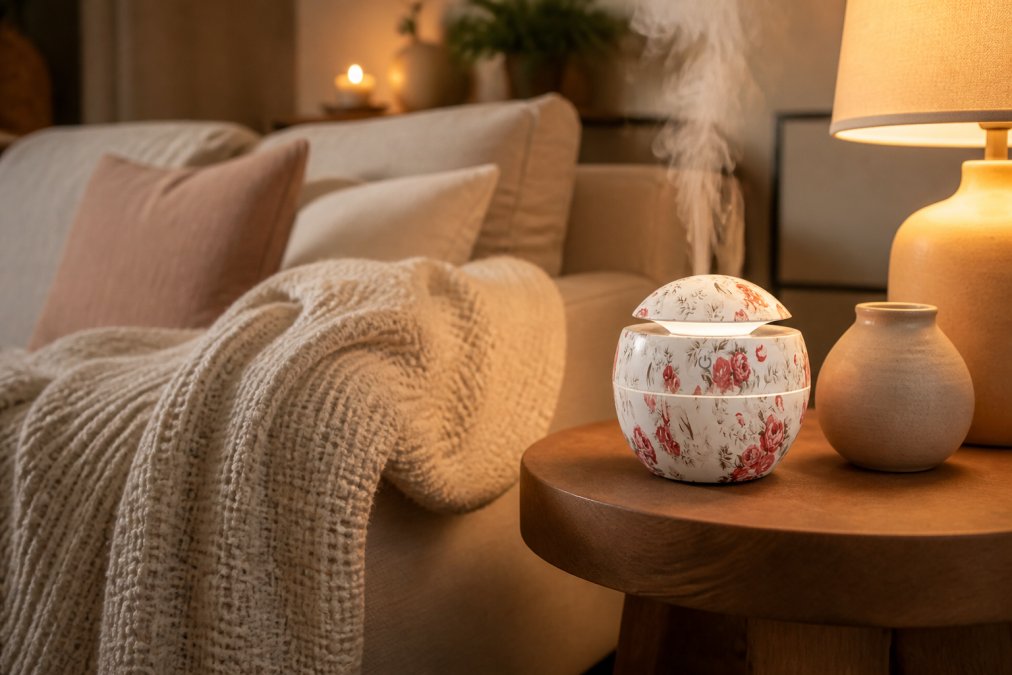
A neutral palette, warm whites, soft greiges, muted sage, and natural linen tones, reduces visual stimulation that contributes to a high-load environment. This creates a backdrop that allows you to breathe, and against which a few intentional objects carry real weight.
Soft furnishings add acoustic softness and tactile comfort. Natural fibers, cotton, linen, wool, tend to feel grounding, while rough or synthetic materials register as subtly alerting. The Sedona Australian Cotton Waffle Towels from Castellanos Housing are woven from 100% Australian cotton in an open waffle weave, feeling light and tactile rather than heavy and synthetic.

Biophilic design principles support this further. Incorporating natural materials and organic forms, wood, stone, woven fibers, plants, connects a space to the natural world and lowers perceived stress. A wooden side table, a linen throw, or a small plant on a windowsill all contribute.
Lighting That Supports Rest and Focus
Lighting is the most underused tool in home atmosphere design. Most homes rely entirely on overhead fixtures, which produce flat, high-intensity light fine for task work but counterproductive for rest.
A layered lighting approach works better:
- Ambient light, the base level, ideally warm-toned (2700K-3000K color temperature)
- Task light, directed light for reading, cooking, or working
- Accent light, low-level, warm sources that signal the transition to evening
Natural light is the most restorative. Keep window treatments minimal during daylight hours and arrange seating to benefit from natural light. The Guardian Angel Lamp of Protection from Castellanos Housing offers warm, low-level ambient light designed specifically for a sanctuary-like setting, signaling to the nervous system that the day is winding down.
Best Essential Oils for Home Relaxation
Aromatherapy is one of the most accessible and evidence-supported sensory adjustments you can make. Scent bypasses the analytical brain and connects directly to the limbic system, which governs emotion and memory.
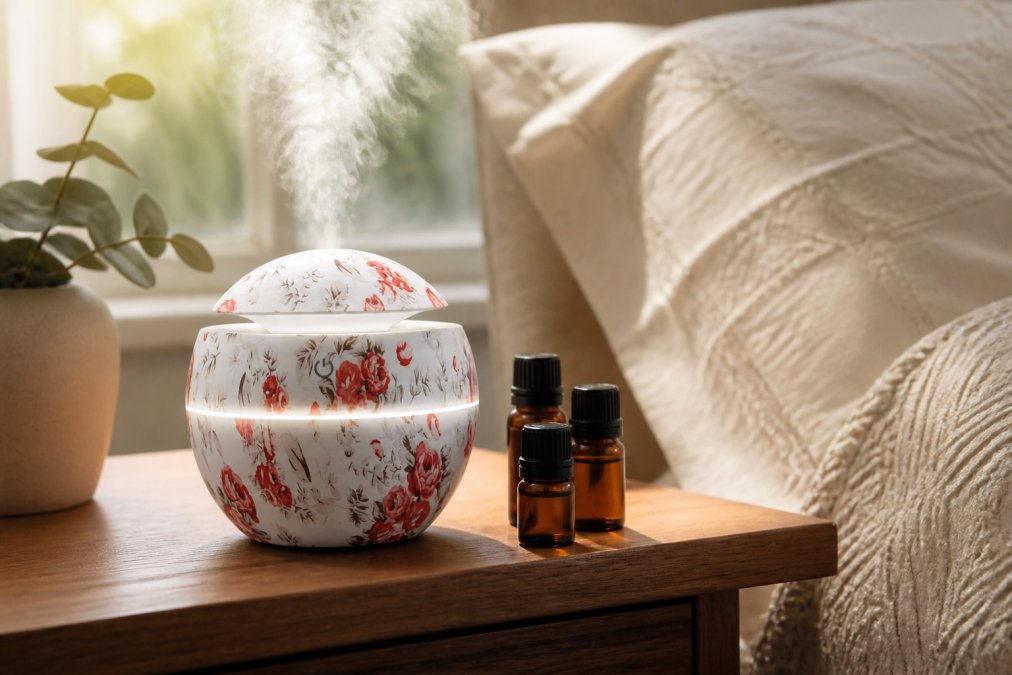
The best essential oils for home relaxation include:
- Lavender, the most researched oil for relaxation; widely associated with reduced anxiety and improved sleep quality
- Sandalwood, grounding and warm; often used in meditation practices
- Jasmine, uplifting but calming; useful for spaces where you want to feel both relaxed and present
- Vanilla, familiar and comforting; reduces the startle response in many people
- Rose, associated with emotional ease and a sense of safety
- Peppermint (Mint), better for focus spaces than rest spaces; use in home offices rather than bedrooms
According to research published in the National Institutes of Health database on aromatherapy and the nervous system, inhalation of certain plant-derived compounds has measurable effects on autonomic nervous system activity, supporting aromatherapy as a genuine stress-reduction tool.
The 10ml Pure Plant Essential Oils from Castellanos Housing cover this full range at a price point that makes experimenting practical. Pair them with the Mini Air Humidifier Ultrasonic USB Aroma Diffuser (also from Castellanos Housing, at $35.00), which combines cool-mist aromatherapy with a warm night light in a wood-grain design.

Creating a Dedicated Relaxation or Meditation Space
Every calm home environment benefits from at least one space explicitly designated for rest, meditation, or quiet. This does not require a spare room. A corner of a bedroom, a reading chair by a window, or a specific spot on the floor with a cushion is enough.
The key is consistency. Using the same space for the same purpose trains your nervous system to downshift when you enter it. To set up a functional relaxation space:
- Choose a location with minimal foot traffic
- Keep it visually simple, one or two objects maximum
- Add a sensory anchor: a specific scent, soft texture, or particular light source
- Remove anything associated with work or obligation from that immediate area
- Use it at the same time each day, even briefly, to reinforce the association
Tech-Free Zones and Digital Detox
Designating at least one room, ideally the bedroom, as a tech-free zone is the single most impactful structural change most people can make. Screens produce blue-spectrum light that suppresses melatonin production and delays sleep onset. More importantly, screens maintain a state of social and informational alertness that is the direct opposite of calm.
Removing devices from the bedroom, setting a consistent screen-off time in the evening, and replacing scrolling with reading, stretching, or journaling meaningfully change the atmosphere of a home.
Calm Environments for Neurodivergent Needs
For individuals with ADHD, sensory processing differences, or anxiety disorders, a calm home environment is a functional necessity. A few specific adjustments many neurodivergent individuals find helpful:
- Reduce auditory stimulation, soft furnishings absorb sound; consider acoustic panels or heavy curtains in high-noise areas
- Create predictable organization systems, labeled storage and consistent placement reduce the cognitive load of finding things
- Manage sensory contrast, avoid spaces where very bright areas are adjacent to very dark ones; aim for even, warm illumination
- Designate a decompression space, a specific low-stimulation corner where sensory input is minimal and predictable
As noted in CHADD's guidance on environmental supports for ADHD, environmental structure and sensory management are among the most practical non-pharmaceutical supports for attention and regulation.
Intentional Living Habits for Busy Professionals
The physical environment matters, but it degrades without intentional habits to maintain it. The most effective habits are frictionless: they take under five minutes and happen at natural transition points in the day.
Morning habits that set the tone:
- Make the bed immediately after rising
- Clear the kitchen before leaving for work
- Open blinds and let natural light in
Evening reset habits:
- A ten-minute tidy before bed, surfaces cleared, items returned to their places
- Dim lights an hour before sleep
- Diffuse a calming scent as part of the wind-down routine
Weekly maintenance:
- One room deep-tidy per week, rotating through the house
- Reassess any surface that has accumulated objects and address the root cause
The habits themselves become calming. The act of tidying a surface, making a bed, or lighting a diffuser becomes a ritual that signals a shift in mental state. The environment and the habit reinforce each other.
Maintaining Your Calm Home Environment Long-Term
Creating a calm home environment is straightforward. Maintaining it requires consistent attention, as entropy is the default state.
Three principles that make maintenance sustainable:
1. One-in, one-out. Every new object that enters the home displaces something already there. This mental checkpoint prevents gradual accumulation.
2. Address disorder at the source. If the same surface keeps accumulating clutter, the problem is not the clutter but that the surface lacks a clear purpose or nearby storage doesn't match how you actually use the space. Fix the system, not the symptom.
3. Schedule a quarterly reset. Four times per year, walk through the home with fresh eyes. Reassess what is working and what has crept back in. This prevents the slow drift that makes a full overhaul feel necessary.
As documented in research on habit formation and environmental design from the Greater Good Science Center at UC Berkeley, the environment shapes behavior as much as behavior shapes the environment. Designing your space to support the habits you want makes those habits significantly easier to maintain.
The challenge most people face is knowing where to start. Castellanos Housing offers a curated collection of home goods and lifestyle products designed specifically for this purpose: essential oils and diffusers that make aromatherapy a daily habit, soft furnishings that shift the sensory texture of a room, and accent lighting that supports the transition to rest. Every product is chosen for the way it contributes to a space that feels considered and genuinely supportive. Continue shopping at Castellanos Housing to find the details that make your home feel like it is working for you.
Frequently Asked Questions
What destroys peace in a home?
Physical clutter is one of the most consistent disruptors of a calm home environment. When surfaces are crowded and items lack a designated place, the visual noise signals disorder to your brain and keeps stress levels elevated. Beyond clutter, excessive screen time, poor lighting, harsh synthetic scents, and a lack of quiet zones all chip away at a home's sense of serenity. Addressing even one of these factors at a time produces a noticeable shift in how the space feels to live in.
What is the connection between physical clutter and mental stress?
Research in environmental psychology consistently links cluttered spaces to higher cortisol levels, the hormone associated with stress. When your surroundings feel disorganized, your brain registers unfinished tasks and competes for attention, making it harder to relax or focus. Decluttering for mental clarity is not about achieving a showroom look, it is about removing the low-level cognitive load that accumulates when too many objects compete for your attention in your own home.
How can sensory elements like scent and lighting improve home tranquility?
Scent reaches the brain's limbic system, the area tied to emotion and memory, faster than almost any other sensory input. Aromatherapy using essential oils like lavender, sandalwood, or chamomile can shift your nervous system toward a calmer state within minutes. Lighting works similarly: warm, low-level light in the evening signals your body to wind down, while harsh overhead fluorescents do the opposite. Pairing a quality diffuser with intentional lighting choices is one of the most budget-friendly ways to transform a room's atmosphere.
How do intentional living habits reduce daily anxiety?
Intentional living habits create predictable structure, which reduces the number of micro-decisions your brain has to make each day. Simple routines, a tidy morning reset, a no-screens hour before bed, or a weekly declutter pass, lower background anxiety by keeping your environment from sliding into disorder. For busy professionals especially, these habits act as a buffer between the demands of work and the restorative function a home should serve. Small, consistent actions compound into a space that genuinely supports your well-being.
This article was written using GrandRanker