

Premium Oil Alternatives to Essential Oil Boutiques
Table of Contents
- Why Consumers Seek Premium Oil Alternatives
- How to Choose High-Quality Essential Oils
- Top Premium Oil Alternatives to Boutique Brands
- Benefits of Aromatherapy for Daily Stress
- Aromatherapy for Stress Relief at Home
- Purity Testing and Ethical Sourcing Standards
- Dilution Ratios and Safe Application Methods
- Conclusion
Last Updated: August 29, 2026
Why Consumers Seek Premium Oil Alternatives
Many people turn away from traditional essential oil boutiques for straightforward reasons: cost, accessibility, and the desire for transparency. When a single bottle from a boutique brand costs significantly more than alternatives offering similar aromatic profiles, shoppers naturally begin exploring other options. The real shift, though, isn't just about saving money, it's about finding premium oil alternatives that deliver the same quality and intentionality without the boutique markup.

The wellness market has evolved. Consumers now expect detailed information about sourcing, purity testing, and how oils are processed. Boutique brands often guard these details, marketing exclusivity rather than transparency. This gap has created space for alternatives that compete on honesty and value. Castellanos Housing offers home goods and lifestyle products that prioritize both quality and clarity, letting customers understand exactly what they're investing in.
What distinguishes a genuine premium alternative from a knockoff? The answer lies in three factors: verifiable sourcing practices, documented purity standards, and honest pricing that reflects actual production costs rather than brand prestige. An alternative doesn't need a famous name to be excellent. It needs integrity.
How to Choose High-Quality Essential Oils
The first step in evaluating any essential oil is understanding what "pure" actually means. A pure essential oil contains only the volatile compounds extracted from a plant, nothing added, nothing diluted (aoa.org). This sounds straightforward until you realize that labeling standards vary wildly across manufacturers. Some bottles labeled "pure" contain synthetic fragrance compounds or fillers that reduce cost while appearing legitimate.
Look for oils that have undergone GC/MS testing (gas chromatography-mass spectrometry). This analytical method identifies the exact chemical composition of an oil, confirming it matches the plant it claims to come from. Reputable producers publish these test results. If a company won't share them, that's a signal to move on. The testing isn't expensive for producers, it's standard quality control, so the absence of it suggests they're cutting corners.
Cold-pressed oils retain more of their original plant characteristics than oils processed through heat or chemical extraction. For citrus oils especially, cold-pressing preserves the delicate aromatic compounds that give them their distinctive scent profiles. Steam distillation works well for many botanicals like lavender and tea tree, but the method matters. Ask manufacturers which extraction method they use and why they chose it.
Shelf life tells you something important about freshness and storage. Pure essential oils typically remain viable for 3 years when stored properly, in amber glass bottles, away from direct sunlight and heat (naha.org). If a bottle has been sitting on a shelf for two years before you buy it, you're getting degraded product. Check manufacturing dates when available. Castellanos Housing's 10ml Pure Plant Essential Oil For Humidifier Diffusers collection carries a 3-year shelf life and comes in protective amber bottles, designed to preserve potency from production through your home.
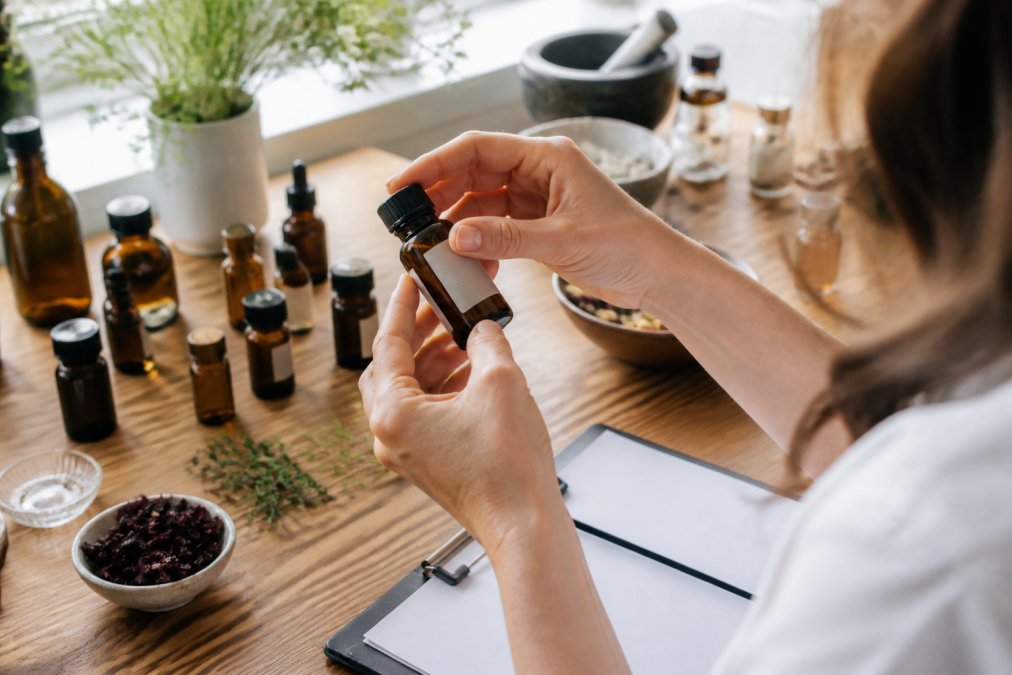
The price-to-volume ratio reveals a lot. A 10ml bottle of genuine lavender oil should cost between $12-$20. If you see it for $5, either the oil is heavily diluted or synthetic. If it costs $40, you're paying for branding. The middle range typically indicates a producer focused on quality over prestige.
Top Premium Oil Alternatives to Boutique Brands
The market now offers several compelling alternatives to traditional boutique essential oil retailers. Each serves different priorities, some emphasize ethical sourcing, others focus on affordability, and some specialize in specific botanical profiles.
Pure Plant Extracts for Diffusers and Aromatherapy
Pure plant extracts differ subtly from essential oils in concentration and processing. An extract may be slightly diluted or processed to enhance stability, but when sourced responsibly, it delivers authentic botanical aromatherapy benefits without the premium price tag. These work excellently in ultrasonic diffusers and nebulizing devices.
MAYJAM's pure plant extracts represent this category well. Their oils contain no additives or fillers, just the botanical compounds themselves. The brand commits to sourcing practices that respect plant origins while keeping costs transparent. A 10ml bottle runs around $16, making it accessible for regular users who want quality without the boutique burden. The amber glass packaging protects against light degradation, and the included dropper ensures precise dosing for both diffusion and topical dilution.
What makes pure plant extracts appealing is their versatility. You can use them in diffusers, add them to carrier oils for skincare, blend them into homemade candles, or incorporate them into soap making. This flexibility justifies the investment for people who treat aromatherapy as a genuine wellness practice rather than occasional luxury.
Gourmet Essential Oil Collections
Gourmet essential oils occupy an interesting space, they're formulated to be more complex and nuanced than standard oils, often blending multiple botanicals to create sophisticated scent profiles. Rather than a single-note lavender, you might get lavender combined with subtle floral or herbal undertones.
EMBRACEX offers a 20-type gourmet collection that includes unexpected scent combinations: vanilla ice cream, caramel pudding, cotton candy, and bay rum alongside traditional botanicals. At $14.64 per 10ml bottle, these oils cost less than boutique alternatives while delivering more creative aromatic experiences. The brand emphasizes that each scent is "complex, direct and pure", meaning the fragrance compounds are genuine botanical extracts, not synthetic perfume oils.

Gourmet collections appeal to people who view aromatherapy as a sensory journey rather than a clinical wellness tool. The variety encourages experimentation and personalization of your home's scent environment.
Fragrance Oils for Home and Personal Use
Fragrance oils differ fundamentally from essential oils: they're synthetic aromatic compounds designed to mimic natural scents or create entirely new profiles. This distinction matters. Fragrance oils won't deliver the same therapeutic properties as essential oils, but they excel at creating consistent, long-lasting scent experiences in your home.
Castellanos Housing's Vanilla Sandalwood Fragrance Oil exemplifies the fragrance oil category. At $2.36, it's affordable enough for regular use in diffusers, candle-making, or home fragrance projects. The scent combines creamy vanilla with warm sandalwood and shea butter notes, a profile that would be expensive to replicate with pure essential oils. Fragrance oils deliver this complexity without the cost.
The practical advantage: fragrance oils remain stable longer than essential oils and don't degrade as quickly when exposed to light or heat. For people who want consistent home fragrance without worrying about shelf life, fragrance oils solve a real problem.
| Alternative Type | Best For | Price Range | Key Advantage |
|---|---|---|---|
| Pure Plant Extracts | Diffusers, aromatherapy, versatile use | $12-$20 per 10ml | Authentic botanicals, no additives |
| Gourmet Collections | Sensory exploration, creative blending | $14-$16 per 10ml | Complex profiles, variety |
| Fragrance Oils | Budget-conscious home scenting | $2-$5 per bottle | Affordability, stability, consistency |
| Portable Solutions | Travel, car, on-the-go use | $10-$15 each | Convenience, long-lasting scent |
Portable Aromatherapy Solutions
Not everyone wants to commit to a diffuser. Portable aromatherapy solutions, car diffusers, personal inhalers, scent sachets, serve people who want aromatherapy benefits on the move. These products have become increasingly sophisticated, moving beyond cheap air fresheners into genuinely effective delivery systems.
Castellanos Housing's Car Diffuser Hanging Cord represents this category at its best. Handcrafted and filled with essential oils, it provides 4-6 weeks of subtle, continuous fragrance without requiring electricity or maintenance. At $10, it costs less than a single premium boutique oil bottle while delivering weeks of aromatic support during your daily commute.

The appeal of portable solutions extends beyond convenience. They democratize aromatherapy for people who don't have space or interest in home diffusers but still want the sensory and emotional benefits of intentional scenting. A car diffuser transforms a mundane commute into a moment of calm clarity.
Benefits of Aromatherapy for Daily Stress
Aromatherapy works through the olfactory system, the sense of smell connects directly to the limbic system, the brain region governing emotion and memory. When you inhale aromatic compounds from essential oils or fragrance oils, you're triggering neurological responses that can influence mood, focus, and relaxation.

Lavender, chamomile, and bergamot have been studied extensively for their calming effects. Peppermint and rosemary support mental clarity and focus. Frankincense and sandalwood encourage grounding and contemplation. These aren't marketing claims, they're patterns observed consistently across aromatherapy practice. The mechanism isn't mysterious: certain volatile organic compounds in plants evolved to affect insect behavior and plant defense. When humans inhale them, similar neurological pathways activate.
The practical benefit matters more than the mechanism. If diffusing lavender oil helps you sleep better, the source of that benefit, whether psychological expectation or direct chemical effect, becomes secondary. What matters is that it works consistently and costs significantly less than other stress-management tools.
Aromatherapy for Stress Relief at Home
Creating a stress-relieving home environment through aromatherapy requires intentionality. You're not just plugging in a diffuser and hoping for results. You're designing a sensory space that supports your nervous system throughout the day.
Start with a quality diffuser, ultrasonic models work well for most homes, releasing a fine mist infused with oil particles. Add 3-5 drops of your chosen oil and run it for 30-minute intervals. This prevents olfactory fatigue, where your brain stops registering the scent after continuous exposure. Rotating between two or three oils keeps the experience fresh.
The time of day matters. Morning aromatherapy benefits from stimulating scents like citrus or peppermint. Afternoon stress often responds better to balancing oils like geranium or ylang-ylang. Evening calls for grounding scents like sandalwood or cedarwood. This rhythm aligns your home's aromatic environment with your natural circadian patterns and emotional needs.
Castellanos Housing's curated approach to home goods extends naturally to aromatherapy. The brand understands that stress relief isn't about isolated products, it's about creating an intentional, considered living space where every element supports your well-being. A quality oil, a reliable diffuser, and a consistent practice combine to reshape your relationship with your home.
Purity Testing and Ethical Sourcing Standards
The difference between a premium alternative and a cheap knockoff often comes down to testing and transparency. Purity testing confirms that an oil contains what the label claims and nothing else. Ethical sourcing ensures that botanical extraction doesn't exploit workers or damage ecosystems.
GC/MS testing is the gold standard for purity verification. This analytical method separates the chemical compounds in an oil and identifies each one, creating a fingerprint unique to that plant and extraction method. Reputable producers run these tests on every batch and publish results publicly. If a company won't share test data, assume they haven't conducted testing, or the results don't support their claims.
Ethical sourcing requires transparency about where plants are grown and how they're harvested. Some oils come from wild-harvested plants in protected regions, others from cultivated farms. Both can be ethical or exploitative depending on local practices. Look for producers who explain their sourcing story: which regions they work with, whether they support fair wages, and how they prevent environmental degradation.
Organizations like the Fair Trade USA certification program establish standards for ethical agricultural practices. While not every premium alternative carries formal certification, the best ones can trace their supply chains and explain their sourcing decisions. This transparency costs money, it's why truly ethical oils cost more than the absolute cheapest options.
Dilution Ratios and Safe Application Methods
Essential oils are concentrated plant compounds. Applying them directly to skin causes irritation for most people. Proper dilution transforms them from irritants into safe, effective preparations.
The standard dilution ratio for topical application is 2-3 drops of essential oil per teaspoon of carrier oil. This creates a 1-2% dilution, appropriate for most adults. Carrier oils, fractionated coconut oil, jojoba, sweet almond, or grapeseed oil, dilute the essential oil while delivering their own skin benefits.
For facial application, use an even more conservative ratio: 1 drop of essential oil per teaspoon of carrier oil. Facial skin is more delicate than body skin and requires gentler concentrations. Never apply essential oils to broken skin, and always patch-test on a small area first to check for allergic reactions.
Diffusion requires no dilution, the diffuser disperses microscopic oil particles into the air. However, ventilation matters. A diffuser running continuously in a sealed room can create overwhelming concentrations. Use a timer, diffuse for 30 minutes at a time, and ensure adequate air circulation. This prevents olfactory fatigue and reduces the risk of headaches or respiratory irritation.
Pregnant individuals, nursing mothers, and people with certain medical conditions should consult a healthcare provider before using essential oils. Some oils interact with medications or affect hormone levels. This isn't fear-mongering, it's acknowledging that concentrated plant compounds deserve respect and informed use.
Conclusion
The choice between premium oil alternatives and traditional boutique brands ultimately reflects your priorities. If you value transparency, reasonable pricing, and access to quality aromatherapy without marketing overhead, alternatives deliver. Castellanos Housing's collection, including the 10ml Pure Plant Essential Oil, 20-type Gourmet Collection, and Car Diffuser with Essential Oils, represents this philosophy: intentional curation without inflated prices. Begin with pure plant extracts for versatility, explore gourmet collections for complexity, and use fragrance oils for budget-conscious home scenting. Continue shopping with Castellanos Housing and build an aromatherapy practice that feels genuinely supported by both quality and transparency.
Frequently Asked Questions
Q: What criteria define a premium essential oil brand?
A: Premium essential oils are identified by GC/MS testing verification, cold-pressed or steam distillation methods, and third-party purity testing. Look for brands that disclose sourcing practices, use amber glass bottles to protect against light degradation, and provide batch-specific testing results. Ethically sourced oils from sustainable botanical suppliers indicate commitment to both quality and environmental responsibility.
Q: How do I verify the purity of essential oils before purchasing?
A: Request GC/MS (gas chromatography-mass spectrometry) test results from the supplier, which confirm chemical composition and detect contaminants. Examine the label for botanical name, origin country, extraction method, and shelf life. Pure essential oils should list only the plant source, no added ingredients. Perform a patch test by diluting a drop in carrier oil and applying to skin to check for adverse reactions. Reputable brands provide transparency about testing protocols and make documentation available to customers.
Q: What are the benefits of aromatherapy for daily stress?
A: Aromatherapy engages the olfactory system, which connects directly to the limbic system controlling mood and stress response. Inhaling essential oil vapors can promote relaxation, reduce cortisol levels, and improve emotional balance. Common stress-relief oils include lavender, sandalwood, and chamomile. Consistent use through diffusers or topical application with carrier oils supports ongoing wellness. Aromatherapy complements other stress-management practices and creates a calming home environment that reinforces intentional self-care routines.
Q: Are there sustainable alternatives to popular essential oil boutiques?
A: Yes. Brands offering ethically sourced oils with transparent supply chains provide sustainable alternatives. Look for companies that support fair-trade farming practices, use recyclable packaging, and verify botanical extraction doesn't harm ecosystems. Some producers focus on renewable carrier oils like fractionated coconut oil. Smaller, curated collections from brands emphasizing quality over volume often have lower environmental impact. Check certifications and supplier relationships before purchasing to ensure your choice aligns with sustainability values.
This article was written using GrandRanker