

Where to Buy Artisan Home Goods: A 2026 Guide
Table of Contents
- Why Artisan Home Goods Matter for Intentional Living
- How to Identify Authentic Artisan Decor
- Where to Shop for Handcrafted Home Goods
- Sustainable Home Decor for 2026: What to Look For
- Benefits of Buying Handmade Home Goods
- Caring for Your Artisan Pieces
- Styling Artisan Pieces in Your Home
- Conclusion
Last Updated: August 26, 2026
Why Artisan Home Goods Matter for Intentional Living
The difference between a house and a home comes down to details. When you choose artisan home goods, you're making a statement about how you want to live. These handcrafted pieces carry the fingerprints of their makers, which means they carry intention too.
Castellanos Housing offers a curated selection of home goods and lifestyle products designed to bring an intentional and considered point of view to your living space. Artisan home goods aren't simply decorative; they're foundational to creating spaces that support your daily life with authenticity and care. Whether it's a hand-poured ceramic vessel or a thoughtfully designed diffuser, these items exist at the intersection of beauty and function.

The market for artisan-made home furnishings has grown as more people reject mass production in favor of meaningful, sustainable alternatives. Handcrafted pieces tell stories. They age gracefully. They're built to last, not designed for disposal. When you invest in artisan home goods, you're participating in a shift toward intentionality, the idea that objects surrounding you should reflect your values.
How to Identify Authentic Artisan Decor
Not everything labeled "artisan" or "handmade" actually is. Learning to spot the real thing protects both your wallet and your intention to support genuine makers.
Authentic artisan decor shows evidence of human creation. Look for slight variations in color, texture, or shape, these aren't flaws, they're proof of hand-making. A ceramic bowl with a perfectly uniform glaze likely came from a factory (peer-reviewed research). One with subtle color shifts probably came from an artisan's kiln.
Check the maker's story. Real artisans share their process, background, and philosophy. They can tell you why they chose specific materials, how long a piece takes to make, and what inspired the design. Generic product descriptions without a maker's voice are a red flag.
Material quality matters significantly. Authentic artisan makers source materials thoughtfully, investing in durable ceramics, sustainably harvested wood, and natural fibers. If a piece feels flimsy or uses synthetic materials when natural alternatives exist, it's mass-produced regardless of the label.
Look for maker credentials and community standing. Legitimate artisans participate in craft communities, have been featured in design publications, or maintain galleries open to visitors. Price consistency is another indicator, if you see the same "artisan" piece at wildly different prices across retailers, it's likely not genuinely handcrafted.
Where to Shop for Handcrafted Home Goods
Finding authentic artisan home goods requires knowing where to look. Each channel has distinct advantages depending on what you're seeking.
Direct Artisan Marketplaces
Buying directly from artisans eliminates the middleman, which usually means better pricing and a direct relationship with the maker. Many contemporary artisans maintain their own websites or participate in online platforms specifically designed to connect makers with buyers. These marketplaces often feature artist statements, process videos, and detailed production information.
When shopping direct, you're supporting the maker's entire business model. You can ask questions about custom orders, material sourcing, and production timelines. The trade-off is that direct artisan shopping requires more research on your part and may involve longer wait times.
Independent Designer Boutiques
Local and independent boutiques curate artisan home goods with an editorial perspective. The owners have typically visited makers' studios and selected pieces that align with a coherent aesthetic vision. This curation saves you time and adds a layer of quality assurance.
Boutiques often stock exclusive pieces unavailable elsewhere and are excellent sources for discovering emerging artisans. The staff can usually speak to the maker's background and the specific qualities that make a piece worth owning. Boutique pricing reflects retail markup, so you'll pay more than buying direct, but the curation itself becomes a form of quality guarantee.
Curated Online Collections
Platforms that specialize in artisan home goods, like Castellanos Housing, function as curated galleries rather than generic marketplaces. These retailers apply editorial standards to what they feature, meaning they've already filtered for authenticity, quality, and design coherence.
Castellanos Housing focuses on pieces that support intentional living. Their collection includes handmade ceramics like the Bloom Vase, a modern handmade porcelain flower vase crafted by Ember Collective, alongside essential oil diffusers and thoughtfully designed home accents. Curated platforms typically provide detailed product information, maker stories, and styling suggestions while handling logistics and customer service.

Sustainable Home Decor for 2026: What to Look For
Sustainability has moved from niche concern to baseline expectation. Artisan home goods inherently align with sustainability values, but not all artisan makers prioritize environmental responsibility equally.
Ethical sourcing is the first checkpoint. Look for makers who source materials locally or from fair-trade suppliers. Wood should come from responsibly managed forests. Natural fibers should be grown without harmful pesticides. Makers transparent about sourcing are typically transparent about other practices too.
Manufacturing processes matter as much as materials. Small-batch production uses less energy than factory manufacturing (the EPA). The best sustainable artisans minimize waste through careful planning and use water-based finishes instead of chemical sealants.
Durability is the most overlooked sustainability factor. A piece that lasts 20 years has a far lower environmental cost than a cheaper item replaced every two years (the EPA). Artisan goods are built for longevity. Verify this by asking about material quality, construction methods, and maintenance requirements.
Benefits of Buying Handmade Home Goods
Durability is the most practical benefit. Handmade items are built to last. Artisans take pride in their work and use superior materials because they're creating something they'll stand behind.
Uniqueness matters psychologically. Mass-produced items create sameness in your environment. Handmade pieces, with their subtle variations, feel genuinely yours. Supporting artisans creates economic impact beyond the transaction, funding their practice and often supporting small businesses and local economies.
Handmade goods age beautifully. Natural materials develop patina, color deepens, and surfaces acquire marks of use that tell stories. A handcrafted piece becomes more valuable over time. Artisan home goods also serve as conversation starters, transforming your home into an expression of your values.
Caring for Your Artisan Pieces
Artisan home goods require thoughtful care, but this maintenance is part of their appeal.
Hand-wash ceramics when possible, even if labeled dishwasher-safe. Air-dry instead of towel-drying to prevent stress on the material. Store carefully to avoid stacking heavy items on delicate pieces.
Natural wood pieces require minimal but consistent care. Dust regularly with a soft cloth and occasionally condition with a natural oil or beeswax-based product. Avoid prolonged exposure to direct sunlight and excessive moisture.
Textiles need protection from direct sunlight and moisture. Rotate them periodically to ensure even fading. Use gentle detergents and avoid bleach. Essential oil diffusers require attention to manufacturer instructions and regular cleaning to prevent mineral buildup.
The key principle is intentionality. Handmade pieces deserve careful attention. This mindful maintenance reinforces the intentional living philosophy that artisan goods represent.
Styling Artisan Pieces in Your Home
Artisan home goods don't require a specific design aesthetic. Whether your space is minimalist, maximalist, traditional, or eclectic, handcrafted pieces integrate beautifully when styled with intention.
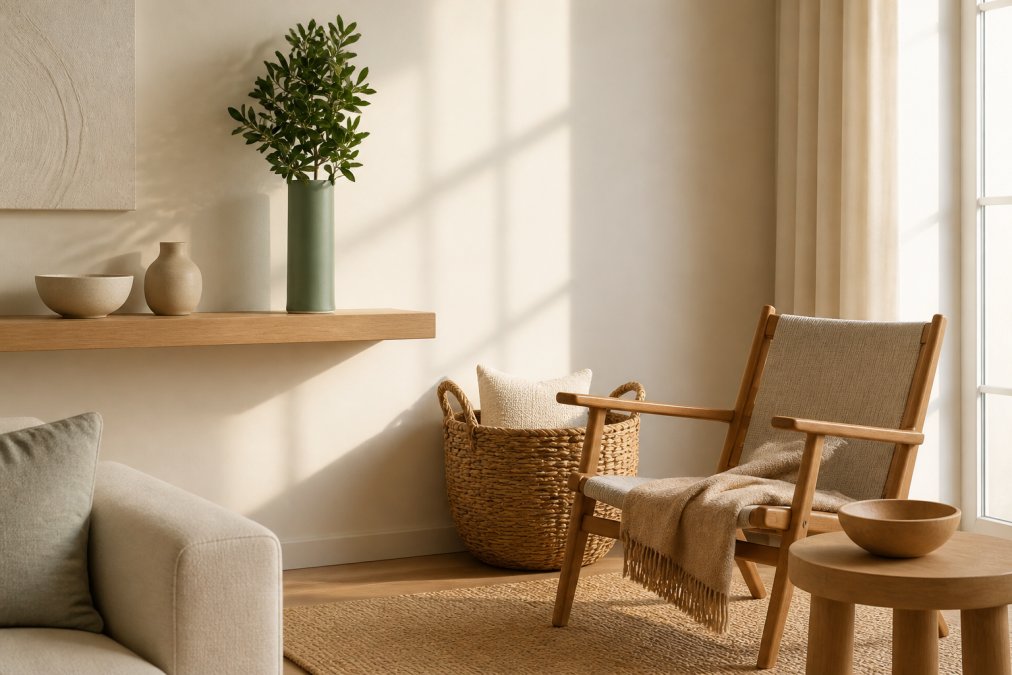
Let pieces breathe. Artisan items are often visually complex. A single striking ceramic vessel on a shelf has more impact than five pieces clustered together. Negative space allows their details to emerge.
Group by material rather than color. A collection of wooden items creates visual coherence even if they're different sizes or tones. This material-based curation reflects how artisans themselves think about their work.
Mix artisan pieces with simpler items. The most sophisticated interiors balance statement pieces with neutral backgrounds. A striking handwoven basket looks better against plain walls. This contrast emphasizes the artisan quality of your chosen pieces.
Consider functional placement. A handcrafted diffuser should sit where you'll actually use it. A beautiful vase should hold flowers you enjoy. Functional placement transforms decorative pieces into integrated parts of your daily life.
Scale matters significantly. A large artisan piece can anchor a room. A collection of smaller pieces works better on shelves or grouped on a side table. The Bloom Vase from Castellanos Housing demonstrates this principle beautifully, complementing contemporary interiors while its subtle oval shape suggests artisan craft.
Seasonal styling works well with artisan pieces. A Cozy Fall Nights Freshie from Castellanos Housing brings seasonal warmth to a space. Rotating pieces seasonally keeps your environment feeling fresh while honoring the handmade quality of each item.
Conclusion
Finding authentic artisan home goods requires knowing where to look and how to evaluate quality, but the effort transforms your living space into a reflection of your values. Whether you shop directly from makers, through independent boutiques, or via curated platforms like Castellanos Housing, the key is choosing pieces that genuinely serve your life while supporting the artisans behind them.
Castellanos Housing specializes in this exact intersection of intention and beauty. Their curated collection, from the handmade Bloom Vase to thoughtfully designed diffusers and seasonal freshies, is built on the principle that your home should feel deeply considered. Each piece is selected for its craftsmanship, durability, and ability to enhance daily life.
Start exploring artisan home goods today. Your space deserves the intention, and the makers deserve your support. Continue shopping at Castellanos Housing to discover pieces that transform your house into a truly intentional home.
Frequently Asked Questions
What is the difference between artisan and handcrafted home goods?
Artisan goods are made by skilled craftspeople who control the entire production process, often using traditional techniques. Handcrafted items are made by hand rather than mass-produced, but may involve some industrial processes. True artisan home goods emphasize individual creativity, quality materials, and the maker's expertise. When shopping for artisan home goods, look for makers who describe their process, materials, and design philosophy, this transparency signals genuine craftsmanship.
How can you verify if home goods are truly artisan-made?
Authentic artisan decor typically includes maker information, production details, and material sourcing. Check whether the seller provides the artisan's name, background, and workshop location. Examine product descriptions for specifics about techniques used and materials sourced. Look for slight variations between pieces, true handmade items aren't identical. Ask sellers direct questions about their process. Reputable artisan marketplaces vet their makers and display credentials. Be cautious of vague descriptions like 'artisan-inspired' or 'handcrafted-style,' which may indicate mass production.
What are the benefits of buying artisan home goods?
Handmade home goods offer durability, uniqueness, and meaningful craftsmanship that mass-produced items can't match. Each piece carries the maker's skill and intention, creating items designed to last. Artisan goods support independent creators and often use higher-quality materials. These pieces add character and authenticity to your space, making your home feel truly personal. Buying handmade also means your decor won't appear in thousands of other homes, and you're investing in work that reflects real human creativity rather than factory output.
How do I find sustainable artisan home goods online?
Search for artisan marketplaces that explicitly highlight ethical sourcing, sustainable materials, and small-batch production. Look for sellers who describe their environmental practices, renewable materials, minimal packaging, local sourcing. Platforms specializing in handmade and independent designer goods often curate for sustainability. Check product pages for material origins and production methods. Many artisans now disclose carbon footprints and waste reduction practices. Read seller reviews and ask about their sustainability practices directly. Prioritize makers who are transparent about their supply chain and committed to reducing environmental impact.
This article was written using GrandRanker