

Curated Decor Alternatives: Beyond Mass-Market Home Goods
Table of Contents
- Why Curated Decor Alternatives Matter More Than Mass-Produced Options
- Artisan Home Decor Brands That Deliver Quality and Intention
- Sustainable and Eco-Friendly Curated Decor Choices
- How to Style a Curated Home: Building Your Design Vision
- Sourcing Unique Decor: Where to Find Authentic Pieces
- Quality Over Price: What Makes Curated Decor Worth the Investment
- Common Mistakes When Building a Curated Home Collection
- Frequently Asked Questions
Last Updated: August 31, 2026
Why Curated Decor Alternatives Matter More Than Mass-Produced Options
Mass-market home goods are cheap and convenient, but they rarely feel intentional. After filling homes with them, most people discover nothing reflects who they are, pieces don't age well, and replacements are needed within months.
Curated decor alternatives solve this by being deliberate about what enters your space. Rather than chasing trends, you're selecting pieces that align with your aesthetic vision, support your lifestyle, and improve how your home feels to live in.
This distinction changes how you shop. Instead of buying what's convenient, you're building a collection. Instead of treating decor as temporary, you're investing in pieces designed to last. At Castellanos Housing, we've built our entire approach around this principle: thoughtfulness creates better homes. Our curated selection focuses on pieces that bring intention and presence to everyday living.
Artisan Home Decor Brands That Deliver Quality and Intention
Artisan-made pieces carry something mass production can't replicate: intention. When a maker creates something by hand, imperfections become character. Variations in color or texture aren't defects, they're proof of authenticity.
The challenge is knowing which brands actually deliver on this promise. Many retailers use "artisan" as marketing without backing it up. Real ones show their work, they share who made the pieces, how they're made, and why the process matters. Look for transparency about production methods, maker names, and pricing that reflects the time and skill invested.
Castellanos Housing partners with makers like Ember Collective, whose Bloom Vase exemplifies this approach. Handmade porcelain, each piece unique, dishwasher safe, and designed to complement any arrangement. At $60, it's an investment in something that will function beautifully for years, not seasons.

Artisan pieces also embrace asymmetry, subtle variations, and organic forms, they're considered, not sterile. When you display an artisan vase, you're showing that you value the maker's vision.
Sustainable and Eco-Friendly Curated Decor Choices
Sustainability in home decor means making choices that don't exhaust resources or create lasting environmental harm. Many mass-market retailers claim sustainability while relying on unsustainable practices, questionable labor conditions, synthetic materials that shed microplastics, and rapid consumption cycles.
Real sustainable decor starts with material choices (iso.org). Natural materials like wood, ceramic, stone, and plant-based fibers break down without creating permanent waste and age gracefully (the EPA). A wooden shelf looks better after ten years; a plastic one just looks worn out.
The second factor is maker accountability. Sustainable brands track supply chains, work with fair-trade suppliers, and minimize waste. This transparency costs money, which is why sustainable pieces typically cost more than conventional alternatives.
The most sustainable piece is the one you keep. A curated decor approach inherently supports sustainability because you're choosing things you genuinely want. A handcrafted ceramic vase you love for twenty years is infinitely more sustainable than five cheap vases discarded over the same period.
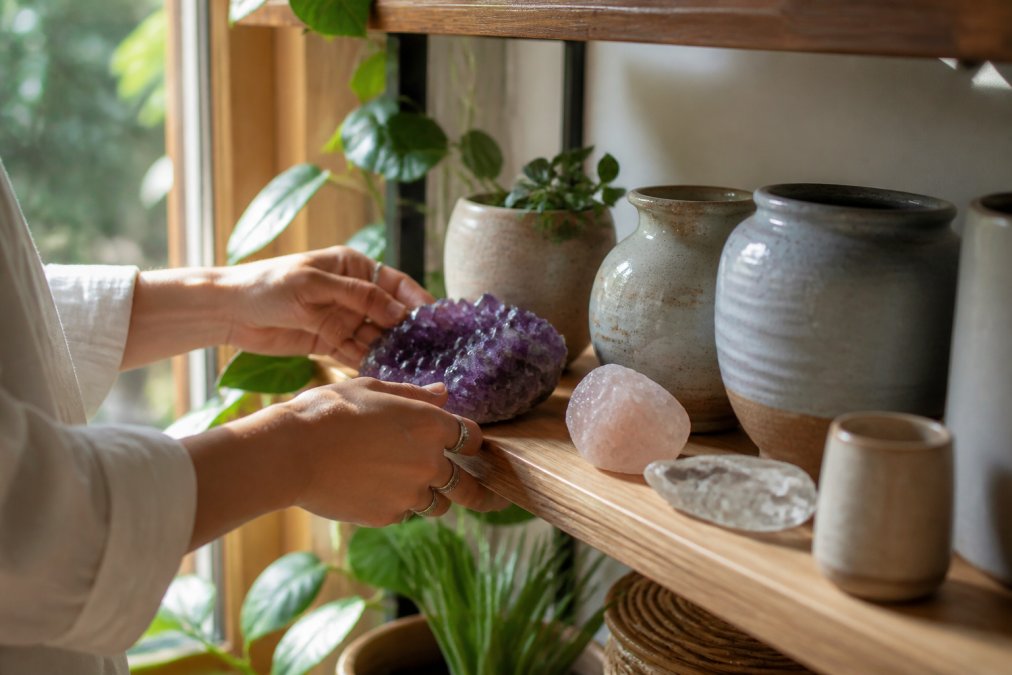
Brands like Conscious Items, featured in Castellanos Housing's collection through pieces like The Healing Crystal Starter Kit, prioritize intention and natural materials. Crystals are sourced responsibly and designed to become meaningful parts of your space.

How to Style a Curated Home: Building Your Design Vision
Styling a curated home isn't about following trends. It's about understanding what resonates with you, then selecting pieces that reinforce that vision consistently.
Start by identifying your aesthetic. Spend time noticing what you're drawn to. Save images, visit shops, handle pieces. Notice which materials appeal to you, which colors recur, which forms feel right. This listening to your own preferences is essential before buying.
Once you understand your aesthetic, use it as a filter for every purchase. Does this piece align with my vision? Will it work with what I already have? Will I still want it in five years? If you hesitate, don't buy it.
A curated home combines different eras, price points, and styles, but they're connected by your vision. Every piece serves a purpose in your overall design.
Mix High-End Statement Pieces with Affordable Finds
The best curated homes strategically combine investment pieces with affordable finds. This approach creates visual interest while keeping costs manageable.
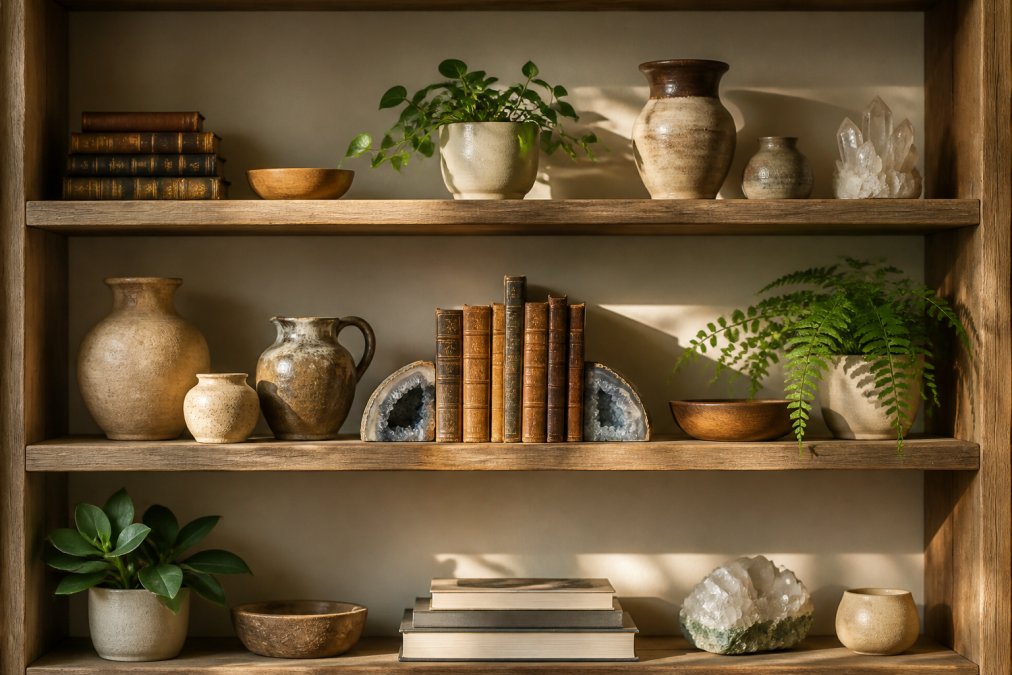
Statement pieces anchor a space and deserve budget allocation because they earn it through longevity and impact. These are items you'll live with for years, a handcrafted ceramic vessel, quality wall art, a sculptural object that catches light.
Affordable finds fill in around your statement pieces. A handmade freshie like Castellanos Housing's Fall Freshie at $16 adds seasonal character. A crystal grid set provides visual interest without breaking the budget.
Invest heavily in pieces you'll see and use daily. Smaller accents and seasonal pieces can be more affordable because they're not permanent focal points. This mixed approach also gives you flexibility, if your aesthetic evolves, you can refresh affordable pieces while keeping your statement investments.
Balance Vintage and Contemporary Elements
Mixing vintage and contemporary pieces creates depth that purely modern or purely traditional spaces lack. Vintage brings history and character. Contemporary brings clarity and function.
The key is intentional selection. Vintage doesn't mean random thrifted items, it means pieces chosen because they align with your aesthetic and add authenticity of age or unique craftsmanship. Contemporary pieces are often more functional, designed with current living in mind.
Balance them by letting one category lead. If your space is primarily contemporary, add vintage accents that surprise. If you lean vintage, use contemporary pieces to prevent the space from feeling like a museum. This approach also supports sustainability, choosing vintage means less new production, while quality contemporary items mean fewer future replacements.
Sourcing Unique Decor: Where to Find Authentic Pieces
Finding genuine curated decor requires knowing where to look. Mass retailers won't have it.
Flea markets and antique shows are sources for vintage pieces, but they require patience and discernment. Look for pieces with genuine craftsmanship or materials that have aged beautifully.
Independent design studios and maker websites are where contemporary artisan pieces live. These small operations often offer direct access to the maker's vision and reasonable pricing without retail markup.
Curated online retailers like Castellanos Housing filter thousands of options for you. They've selected pieces that meet standards for quality, intention, and aesthetic coherence, saving time and reducing decision fatigue.
Look for retailers transparent about their curation process. Which makers do they work with? Why those specific pieces? What standards do they use? Castellanos Housing focuses on pieces that bring intention to daily living.
Local makers matter too. Many communities have artisans creating home goods. Supporting them directly often means better pricing and the satisfaction of knowing exactly where your money goes.
One practical approach: follow makers you respect on social media. Many announce new work and sales through direct channels, giving you early access to pieces not widely available.
Quality Over Price: What Makes Curated Decor Worth the Investment
Quality in home decor shows up in materials first. A handmade ceramic vase uses clay selected for its properties, fired at specific temperatures, and finished by hand. A mass-produced vase uses generic ceramic and rapid firing. The handmade piece will feel substantial, age beautifully, and last decades.
Quality also appears in design intention. Curated pieces are designed by people who care about how they function and look. A handcrafted storage solution considers both aesthetics and utility.
Durability is the financial argument. A $60 vase used for twenty years costs $3 per year (the FTC). A $15 vase replaced every two years costs $7.50 per year. The expensive piece is actually cheaper over time and brings more joy.
When you buy curated decor, you're investing in something someone made with care, supporting makers and small businesses, and creating a home that reflects your values. Castellanos Housing's Guardian Angel Lamp of Protection at $49.45 combines natural aquamarine and clear quartz with thoughtful design, functioning as both lighting and meaningful object.

Common Mistakes When Building a Curated Home Collection
The first mistake is buying too fast. Curated homes are built slowly through careful selection. Slow down and wait for pieces that feel right.
The second mistake is over-decorating. More pieces don't create a better home, they create visual noise. Curated spaces have breathing room that lets each piece be appreciated.
The third mistake is ignoring scale and proportion. Before buying, consider where it will go and how it will relate to surrounding pieces.
The fourth mistake is buying without understanding your actual aesthetic. Spend time understanding what you actually love, not what you think you should love.
The fifth mistake is treating curated decor as a destination rather than a process. Building a thoughtful home takes time. Your aesthetic will evolve, and that's normal.
Building a curated home means rejecting the mass-market approach to decor. It means being intentional about what enters your space, investing in quality over quantity, and creating an environment that reflects who you are. Castellanos Housing makes this accessible by curating home goods designed with intention and care. Whether you're drawn to handcrafted ceramics like the Bloom Vase, meaningful pieces like The Healing Crystal Starter Kit, or seasonal accents like the Fall Freshie, each piece is selected because it brings something genuine to your living space. Start with what resonates with you, build slowly, and let your home become a reflection of your values. Continue shopping with intention.
Frequently Asked Questions
What's the difference between curated decor and mass-produced home goods?
Curated decor emphasizes intentional selection, handcrafted quality, and unique design vision. Mass-produced items prioritize volume and cost reduction, often resulting in identical pieces across thousands of homes. Curated alternatives typically feature artisan-made or limited-batch items, sustainable materials, and authentic craftsmanship. They reflect personal aesthetic rather than generic trends. While mass-market decor costs less upfront, curated pieces tend to last longer and retain their appeal because they're designed with durability and timeless style in mind, not fast-fashion cycles.
How do I know if artisan home decor brands are actually worth the higher price?
Quality indicators include handcrafted construction details, sustainable sourcing practices, and transparent maker information. Look for brands that explain their production process and material origins. Check customer reviews for longevity mentions, how long pieces last matters more than initial cost. Artisan brands like those in Castellanos Housing's collection invest in materials and labor that mass-produced alternatives skip. A $60 handmade porcelain vase like the Bloom Vase outlasts cheaper ceramic versions because each piece is individually crafted. You're paying for durability, uniqueness, and a considered design philosophy that elevates your entire space.
What's the best way to start building a curated home collection on a budget?
Begin with statement pieces that reflect your design vision, one or two high-quality items that anchor your aesthetic. Mix these with affordable finds from sustainable sources like secondhand markets and small-batch makers. Prioritize items you'll use daily or display prominently; skip decorative pieces that don't serve your space. Start with versatile neutrals and build around them. Invest in foundational pieces like vases, lighting, or wall art, then add smaller accents gradually. This approach prevents impulse purchases and ensures every piece aligns with your curated vision rather than cluttering your space with items that don't belong together.
How can I verify that home decor is truly sustainable and not just marketing?
Look for specific material disclosures, certifications, and maker transparency. Sustainable brands detail their sourcing, production methods, and packaging. Check for third-party certifications or partnerships with environmental organizations. Handmade items from independent artisans typically have lower environmental impact than mass-produced alternatives because they avoid factory waste and long-distance shipping. Brands that explain their supply chain and use natural, durable materials are more credible than those making vague 'eco-friendly' claims. Ask questions directly, authentic makers are happy to discuss their process and materials.
This article was written using GrandRanker
