

Buy Artisan Home Decor Online: 2026 Guide
Table of Contents
- Why Buy Artisan Home Decor Online
- What to Look for in Ethical Home Decor Brands
- The Best Sustainable Home Decor for 2026
- How to Style Artisan Home Accessories in Modern Spaces
- Caring for Your Handmade Goods
- Where to Buy Artisan Home Decor Online: Our Picks
- Frequently Asked Questions
Last Updated: September 5, 2026
The shift toward intentional living has moved home furnishing away from mass-produced uniformity toward pieces with history, texture, and soul. When you buy artisan home decor online, you are investing in a story, a tradition, and a quality that factory lines cannot replicate. This guide from Castellanos Housing explores how to source these finds, evaluate the brands behind them, and style them so your space feels genuinely considered.
At Castellanos Housing, we believe details make everyday life feel supported. Below, we show you how to identify quality craftsmanship, what to look for in ethical brands, and how to weave these pieces into a modern interior. We also cover caring for your handmade goods so they remain beautiful for years.
Why Buy Artisan Home Decor Online
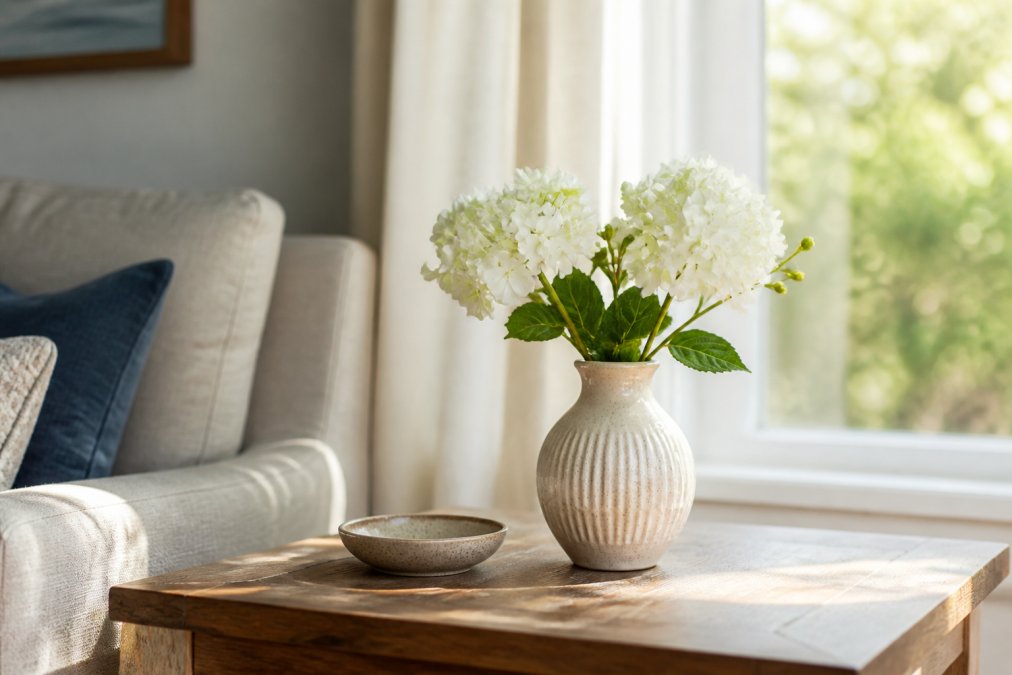
Artisan home decor is defined by its human touch: the slight asymmetry of a hand-thrown vase, the unique grain of a solid wood table, the variations in a handwoven textile. Each piece carries a distinct character that mass production cannot replicate, bringing depth and narrative to a room that feels personal and grounded.
Buying online opens access to global artisans and small-batch workshops once unreachable. You can explore curated collections worldwide, supporting traditional craftsmanship that might otherwise be lost. This direct connection often means better prices for the maker and a more transparent supply chain for you.
The Heritage Behind the Craft: Why Stories Matter
When you buy a handwoven textile from Oaxaca, Mexico, you are not just buying a rug; you are buying a piece of a tradition that predates the Spanish conquest. The Zapotec people have been weaving on the same style of pedal loom for centuries, and each pattern, from the "diamond of life" to the "lightning bolt", carries a specific cultural meaning (si.edu). Similarly, a piece of Japanese Bizen pottery is not merely a vessel; it is the result of a firing process that has remained unchanged for over 800 years, where pieces are stacked in a wood-fired kiln for up to two weeks without glaze, relying on ash and flame to create their unique surfaces (britishmuseum.org).
This cultural history connects your home to a global community of makers. A hand-carved wooden bowl from the Pacific Northwest might echo Coast Salish canoe-building traditions; blue-and-white porcelain from Jingdezhen, China, links you to a thousand-year ceramic legacy. Understanding this heritage transforms a purchase into an act of cultural preservation.
The Economic Impact of Your Choice
Your purchase has a direct impact on the artisan community. Buying from platforms that partner with cooperatives puts a larger percentage of the retail price in the maker's hands. In many fair-trade partnerships, artisans earn stable income that lets them invest in tools, educate their children, and continue their craft, economic stability that prevents ancient skills from dying out.
How to Read a Product Story Like a Pro
Look beyond product photos. The best retailers name the artisan or workshop, the region, and the materials and techniques used, phrases like "hand-thrown by Maria in Guadalajara" are a hallmark of a genuine article. Vague origin descriptions often signal a supply chain the brand is not proud of.
What to Look for in Ethical Home Decor Brands
Finding ethical brands requires looking beyond aesthetics to operational values. A truly ethical brand is transparent about where its goods come from, who makes them, and under what conditions, prioritizing fair trade and sustainable materials. Look for brands that openly discuss their supply chain and partner workshops.
Materials and Construction That Last
Longevity begins with materials: solid wood rather than veneers, natural fibers like cotton, linen, and wool, and quality ceramics or metals. For furniture, look for dovetail or mortise-and-tenon joinery, signs of a piece built to be repaired and passed down, not glued and discarded.
Transparent Sourcing and Fair Trade Practices
Transparency is the cornerstone of trust. Ethical brands should tell you the origin of raw materials and the names or locations of artisan partners, and many hold certifications from bodies that audit working conditions. Prioritizing fair trade ensures your purchase contributes positively to maker communities.
The Best Sustainable Home Decor for 2026
Sustainable home decor for 2026 is less a trend than a return to permanence: pieces made from renewable or recycled materials, produced in small batches. Natural fibers like jute and organic cotton dominate textiles; reclaimed wood and recycled glass suit furniture. The goal is to buy fewer, better things you keep for a lifetime.
This approach is reflected in the growing consumer preference for products with a lower environmental footprint. According to research on consumer sustainability trends, a significant portion of shoppers now factor a product's environmental impact into their purchasing decisions, pushing brands to adopt more responsible practices. When you choose sustainable materials, you are also choosing a home that feels healthier and more connected to the natural world, free from the off-gassing of many synthetic, mass-produced items.
How to Style Artisan Home Accessories in Modern Spaces
Artisan pieces are not only for rustic or bohemian interiors; they are the perfect antidote to stark modern design, adding warmth to clean lines. Treat them as intentional sculptural elements rather than clutter. A single striking piece can anchor a room and provide a visual break.
Creating a Focal Point with Handcrafted Pieces
Choose one hero piece per room, a large canvas, a unique lighting fixture, or a substantial vase, and place it where the eye lands first, such as above a fireplace or on a console table. Giving the piece space to breathe lets its texture and form be fully appreciated.
Mixing Textures and Natural Fibers
The secret to a layered look is mixing textures: pair a smooth porcelain vase with a rough jute rug, or a sleek wooden table with linen curtains. This interplay of natural fibers creates a rich sensory experience. A curated collection of accessories in complementary tones ties the look together.
Caring for Your Handmade Goods
Maintenance is a common hesitation, but caring for artisan goods is simpler than expected. Care depends entirely on the material; here is the specific, material-by-material knowledge you need to ensure your investment lasts.
Preserving Handwoven Fibers (Cotton, Wool, Jute, Seagrass)
For cotton and wool throws or pillows, check the fiber content first. Most handwoven pieces should be dry-cleaned or hand-washed in cold water with a mild, pH-neutral soap. Never wring them out; roll them in a towel to absorb water and lay flat to dry, away from direct sunlight.
For jute and seagrass rugs, vacuuming is your primary tool. These fibers are absorbent and prone to water damage, so avoid steam cleaning; blot spills immediately with a dry cloth. In dry climates, wipe with a slightly damp cloth to prevent cracking. Slight shedding in the first weeks is normal.
The Right Way to Care for Raw and Oiled Wood
The most common mistake with solid wood is using silicone-based polishes, which leave residue that prevents future oiling. Instead, use a food-safe mineral oil and beeswax mixture: apply a thin coat, let it sit 15-20 minutes, then buff. Do this monthly for cutting boards, seasonally for furniture.
Avoid hot dishes directly on wood and use coasters under glasses. A white ring can often be lifted with a gentle rub of baking soda and a few drops of water on a soft cloth.
Maintaining Ceramics, Pottery, and Porcelain
Hand-wash hand-thrown pieces with warm water and mild dish soap; dishwasher heat and detergents can dull glaze and cause crazing. For metallic or 24k gold accents, hand-washing is non-negotiable, as these finishes will wear off in the dishwasher.
For stubborn stains inside a vase, fill it with warm water and a denture tablet, letting it sit for an hour before gently scrubbing with a soft-bristled bottle brush. Avoid abrasive scrubbers, which will scratch the glaze.
The Specifics of Brass, Copper, and Bronze
Brass and copper naturally patina over time, which many collectors value. For a bright look, use a commercial polish like Brasso. For a chemical-free approach, a lemon juice and baking soda paste works on copper, always test on an inconspicuous area first.
To slow tarnishing, apply a thin coat of clear lacquer or metal wax, especially on frequently handled items like lamp bases. Never use abrasive steel wool, which leaves micro-scratches that accelerate tarnishing.
A Seasonal Care Checklist
Adopt a seasonal rhythm: in spring, rotate textiles for even sun exposure and inspect wood for dryness; in fall, before heating dries the air, oil wooden pieces and condition leather. This proactive approach is the difference between a piece that lasts a decade and one that becomes an heirloom.
The upfront effort is minimal compared to the longevity gained. Unlike mass-produced items designed to be replaced, a well-cared-for artisan piece can become a family heirloom. Our Bloom Vase, for instance, is dishwasher safe and designed as a timeless accent that moves easily from kitchen windowsill to formal dining table.

Where to Buy Artisan Home Decor Online: Our Picks
Finding the right retailer is as important as finding the right piece. The best online destinations act as curators, vetting makers for quality and ethical practices and offering a clear story about artisans and materials. Buying from a platform that has done the sourcing legwork reduces the risk of a poorly made item.
Our top pick for a curated experience is Castellanos Housing. We focus on the details that make everyday life feel considered, offering a selection that bridges the gap between mindful living and beautiful design. Whether you are looking for a statement piece like the Guardian Angel Lamp of Protection, priced at $49.45, to create a calming sanctuary, or the Monochrome Angel Oak Tree Canvas Wall Art at $69.99 to anchor a living room, the collection is built around pieces meant to be kept and loved. For those starting their journey, the Healing Crystal Starter Kit at $49.00 offers an accessible entry into bringing more intention into a space.


| Product | Price | Best For | Key Feature |
|---|---|---|---|
| Bloom Vase | $60.00 | Table centerpieces | Handmade porcelain, dishwasher safe |
| Angel Oak Canvas | $69.99 | Wall focal points | Nature-inspired, easy to hang |
| Guardian Angel Lamp | $49.45 | Calm, restful corners | Aquamarine crystal, soft glow |
| Crystal Starter Kit | $49.00 | Beginning collectors | Set of cleansing crystals |
What sets a quality retailer apart is confidence in their goods. When you buy artisan home decor online, you pay for material quality, transparency of process, and design integrity that ensures a piece looks as good in person as on screen. It is the difference between a house filled with objects and a home filled with meaning.
Frequently Asked Questions
How can I verify the authenticity of artisan home decor?
Look for honest product descriptions that name the artisan group or workshop. Ethical home decor brands usually share details about materials, production methods, and their sourcing process. Check for natural variations in color or texture, which signal handcrafted work. If a site cannot answer basic questions about who made an item or where it comes from, that is a warning sign.
What is the difference between artisan and handcrafted?
Artisan refers to goods made by a skilled craftsperson, often using traditional methods passed down through generations. Handcrafted simply means an item was made by hand rather than by a machine. Most artisan goods are handcrafted, but not everything handcrafted carries the cultural heritage of artisan work. When you buy artisan-made pieces, you support traditional craftsmanship and often receive a higher-quality, one-of-a-kind item.
What is the best website to buy home decor online?
The best site depends on what you need. For ethically sourced, small-batch pieces, look for retailers that partner directly with artisan collectives. Castellanos Housing, for example, curates a selection of handmade goods from partner workshops. Their Bloom Vase, priced at $60, comes from Ember Collective and offers a modern, handcrafted look. Look for sites that provide clear product details and transparent sourcing information.
Choosing to buy artisan home decor online is a commitment to quality, ethics, and a more intentional way of living. It means rejecting the disposable in favor of the durable and finding beauty in the imperfections that make each piece unique. At Castellanos Housing, our curated collection is designed to help you create a space that is both beautiful and deeply felt, with good design that supports your daily rituals. Continue shopping with us to find the pieces that will make your house a home.
This article was written using GrandRanker
